En esta historia etnográfica de ficción el grupo étnico o antropológico de acogida carece de espacios de carácter totémico en los que proyectarse fisiológicamente sobre un plano más semiótico que solo físico; asimismo no se ejercen estas personas en su fisiología de forma separada de la experiencia solo física, como es característica de las sociedades más sedentarias, sino que el drama moral del significado mismo cultural e identitario se centra en la experiencia casi exclusivamente sociocorporal. Es decir, se trata de un contexto antropológico (y por tanto anclado en el sentido colectivo del grupo) que no se eleva apenas sobre la corporalidad y su interacción sensorio-corporal sino solo de la forma más primaria (en el idioma, por ejemplo, que sí poseen).
Pero carecen, sin embargo, de lógicas espirituales explícitas en tanto conceptos lingüísticos o cosmogonías narrativas que pueden compartirse y a los que pueden agarrase con el fin de ampararse en una racionalidad socio-culturalmente constituida, frente a su propia experiencia sensoriometabólica individual y no descodificada: este recurso individual al amparo en lo racional colectivo, que es por otra parte un constante universal de la antropología más sedentaria, no existe apenas más allá del cuerpo. Y es que no se menciona ninguna convención social que pudiera considerarse siquiera de carácter simplemente simbólico, salvo quizá la actividad misma de sobrevivir al invierno sirviéndose de la anticipación, otro año más, de la gran orgía antropófaga que el narrador describe como el acontecimiento central, año tras año, de sus vidas; pero, si bien el perseverar a través del invierno en el deseo de llegar a la anhelada «celebración» constituye un acto más bien metabólico-cognitivo (y no exactamente corporal), no se convierte nunca en una idea específica sobre la que pueden hablar y discutir entre sí, sino que, según se nos cuenta, esta realidad tan importante en tanto central a la identidad misma, permanece siempre en un ámbito no lingüístico (y por tanto sin conceptualizar) de lo sobreentendido grupal, pero de vigencia u obligación sociocultural clara. Parece, de hecho, que lo de conceptualizar podía considerarse en sí mismo como un de los mayores tabúes en los que se puede incurrir.
Porque en realidad el único cauce fisiológico que se eleva un poco sobre la dureza de lo corporal, para parapetarse digamos en una lógica no conceptual exactamente pero sí como dispositivo totémico, es el uso que como grupo hacen del narrador mismo (función que éste entiende como la de acarrear como testigo relator con el legado que ellos mismo quisieron propalar al mundo, y en contra de ese mundo, como su mayor esfuerzo de afirmación existencial; que por eso lo retienen como una especie de mascota, cuidando de él, pero utilizándolo como su espejo, frente al drama en realidad de su propio canibalismo, o al menos de eso está convencido el narrador). Y sin duda se trataría de una función semiótica que se eleva en su carácter fisiológica por encima de lo corporal, siendo precisamente por eso la razón de no proceder a comerle a él también.
Es decir, aunque un solo atisbo de lo simbólico que se articula en realidad dentro de un espacio aun totalmente corporal, no deja de ser una convención ritualista que se despega al menos un poco, efectivamente, de la brutalidad de solo lo corporal: sintomático de esto, precisamente, es el hecho de que uno de los miembros del grupo, desde el primer día de la llegada del narrador al poblado y a lo largo de los 10 años siguientes, le ha ido recordando siempre que se encontraban el uno al otro y siempre con la misma frase como anunciado repetido, que soy yo él que te había dicho, solo en broma, que te iba a comer. Y es que el recurso a la ficción siquiera del juego y la broma constituye muy probablemente un peldaño primario del ascenso a la cultura (que de hecho puede decirse que está presente de alguna manera en el mundo simplemente animal y de forma en principio intragrupal, quizá como ejercicio simulado en sustitución de las contingencias del mundo real y exo-grupal).
En efecto, porque todo plano simbólico y de representación, que como tal consta de un espacio más fisiológico y sensoriometabólico que directamente corporal, retiene no obstante un sentido moral (puesto que lo moral, que brota de lo corporal, está también imbricado en la sensorialidad humana y nuestra experiencia emocional). Con lo que se acaba erigiendo un espacio protector que parapeta en su interior, finalmente, el plano sociocorporal original; un espacio simbólico y de representación fisiológicamente real (puesto que retiene una recreación o simulacro moral en cuanto experiencia sensoriometabólica), pero que no trasciende respecto del plano políticamente real de los cuerpos físicos y su inexorable jerarquía situacional-social. Y sin duda dicho espacio fisiológico que se despega de la realidad corporal no tiene otra forma de concebirse, por nuestra parte, sino como un auténtico lujo que, a la manera metafórica de una gran alfombra, se extiende ante nuestros pies descalzos…
Pero, una vez que haya tenido lugar el despegue cultural, en lo semiótico y la representación frente a lo corporal ¿es posible retroceder otra vez a lo corporal y como recaída de nuevo en la esfera original de los cuerpos frente al mundo otra vez aniquilador? Sin duda parece que la historia humana muestra múltiples ejemplos de ello siendo para la contemporaneidad nuestra la historia de la Alemania Nazi quizá un verdadero monumento en justo este sentido: un episodio que supone la historia de una destrucción, primero, de la Republica Weimar y el subsiguiente cercenamiento brutal del espacio simbólico-cultural alemán, hasta quedar reducido al pequeño espacio de una paranoia en realidad individual pero como imaginario culturalmente obligado (bajo abierta amenaza de destrucción física, incluso para los propios ciudadanos alemanes); lo que no dejó, finalmente, otra opción que la de regresar a la pesadilla de la confrontación corporal -zoológica- entre grupos enfrentados, ya que se había efectuado una total renuncia por parte de la gerencia Nazi a los verdaderos fundamentos de la experiencia sedentaria, esto es, los espacios más abiertos de la vivificación senosriometabólica y moral que llevan de lo corporal a la representación, y no al revés. Hasta incluso se puede postular este proceso como el armazón crípticamente instaldado al corazón estructural mismo de la Segunda Guerra Mundial.
…Es gracias a la sociedad que la conciencia interviene, ya que no es la inconsciencia la que hace intervenir la sociedad. Gracias a la sociedad hay movimientos precisos y un dominio de lo consciente frente a la emoción y a lo inconsciente.
Marcel Mauss, Cáp.IV de Sociología y antropología
Pero también se puede invertir los términos del anunciado para resaltar otro aspecto central respecto de la relación entre emoción e inconsciencia por una parte, y la sociedad y lo racional por otra: que es por medio de lo emocional-inconsciente que se hace necesario la sociedad y su orden consciente y particularmente sociorracional. Lo que es también entender que sin la parte pulsional y prerreflexiva de cada uno de nosotros, no tendría sentido justificado lo consciente ni la razón de ser de su propia reconsititución viviente.
Los universales culturales
Se supone que, en general, los universales culturales (análogamente con los universales lingüísticos) parten de la experiencia corporal y los sentidos que son universalmente comunes en principio, y solo se distinguen respecto de aquello que se percibe como autóctono en cada caso cultural particular; además, incluirían los procesos cognitivos comunes a todo ser humano. Aunque, evidentemente, otro universal que postularemos aquí es el cómo los grupos humanos explotan la experiencia sensoria de los individuos, y basándonos precisamente en el aserto del párrafo anterior. Esto es, si es verdad que sin lo emocional (en tanto anomia idiosincrática de cada uno de los individuos pertenecientes) no tiene por qué consolidarse lo culturalmente racional (o sociorracional),se ha de entender esto como universalmente cierto, como norma técnica y basal, simplemente, de la experiencia humana grupal, o sea, en tanto experiencia antropológica, a secas.
Asimismo el cómo ve un grupo particular el mundo, y el cómo se mueven los seres humanos pertenecientes por ese mundo como espacio percibido, y la particular forma en la que se relacionan en general con el entorno espaciomaterial frente al cual se hacen resistentes, al mismo tiempo que dependen de él, constituyen en conjunto la culturalmente universal necesidad de la educación: que todo individuo ha de aprender el cómo y el porqué social de su propio estar sensorio-corporal (que podíamos decir para eso está en un sentido técnico-estructural.) Pero, el término educación en este contexto quizá pueda concebirse mejor como lo que será en última instancia la forja de la personalidad finalmente sociorracional de cada individuo físicamente singular y recién llegado (normalmente en cuanto niños entre ellos nacidos, aunque esto vale ciertamente lo mismo para cualquier clase de entenado cultural que, como persona culturalmente ajena, entre de repente en una relación sensorio-corporal de dependencia con el grupo).
Y, entonces, se sigue también universalmente que, si la anomia sensorio-corporal y metabólica del individuo deviene en el fuelle más importante y recóndito de la racionalidad humana (en tanto socio-racional a partir de la experiencia grupal humana), es también universalmente importante, no solo la educación sensorio-corporal (aquello que hacemos con nuestro cuerpo particular y las emociones que sentimos circular por él), sino también lo que Mauss domina la enseñanza de la sangre fría:
…”la cual es fundamentalmente un mecanismo de demora, de inhibición de movimientos desordenados; esta demora, esta inhibición de movimientos desordenados, permite a continuación una respuesta coordinada de movimientos coordinados dirigidos a la finalidad elegida. La resistencia a la emoción que invade es algo fundamental en la vida social y mental”…
Marcel Mauss, “Sociología y antropología”
Porque parecería que el espacio más importante de una agencia verdaderamente individual (si bien, como espacio estructuralmente proveído, eso sí, por la mecánica sensorio-moral del grupo) viene a ser aquello que pide y requiere una suerte de refinamiento disciplinario mínimo que como individuo sentimos sin duda como poder de imposición propia –como una forma de poder personal y psicológico que ejercitamos con gusto- y que requiere siempre un esfuerzo culturalmente aprehendido por nosotros; esfuerzo que, a través de la práctica social y el entrenamiento simplemente vital, hemos llegado a perfeccionar como apropiación de individualidad.
De hecho, parecería que toda cultura concebible se define en torno a estas coordinadas de tránsito, en cierto sentido, a partir de una emocionalidad inconsciente e inmadura que corresponde normalmente a la niñez y que, con el tiempo, adquiere sus propias técnicas y pautas de autocontrol de carácter personalísimo, sin duda, pero a partir de lo que está cultural y fisioantropológicamente disponible en cuanto a la experiencia real e histórica de un grupo humano particular. Así se definiría, por tanto, un modelo que podíamos decir de consumación vital en el tiempo humano grupal, pues visto desde la óptica del armazón estructural subyacente (despojándolo, por tanto, de todo significado moral culturalmente determinado) no hay universalmente otro fin sino el sostener del grupo en el tiempo y frente a mundo espacio-material.
¡Todo lo demás viene de añadido, y eso desde siempre!
Pero, afortunadamente, no todo el mundo madura de foma idéntica ni a la misma velocidad, siendo también cierto que algunos no logran nunca, al menos en algún aspecto y grado de su personalidad: que esta variedad y descrepancia entre individuos, para así plantar cara como contrapeso frente a la fuerza homgeneizdora de la mecánica grupal, tambien debe de existir universalmente y respecto toda experiencia antropológica; que si no, no lo hubieramos suportado, sin duda, a través de las generaciones y hasta hoy. Esto es también decir que en la diversidad biológica y la diferencia íntima entre personas, se ha fundamentado siempre también el mundo moral humano de los grupos sedentarios; y esto de una forma, aquí se ve, autosuficiente (por cuanto grupo) que acaba elevando el tiempo humano fisiológico por encima del plano material-corporal (tendencia universal por otra parte intrínseca al ímpetu cultural en sí, que convierte la anomia sensorio-corporal de cada uno en recurso de titilación metabolico-moral de carácter al final estructural.)
 Conversación con un amigo
 Se me ha quemado el pecho, como un horno
 Por el dolor de tus palabras
 Y también de las mías.
 Hablamos del mundo, y desde el cielo
 Descendía su paz a nuestros ojos.
 Hay momentos del hombre en que le duele
 Amar, pensar, mirar, sentirse vivo,
 Y se sabe en la tierra por azar
 Solo, inútilmente en ella.
 Como si se tratase de algo ajeno
 Hablamos de nosotros
 Y nos vimos inciertos, unas sombras.

 Con poca fe, con las creencias rotas
 Con un madero en la marea,
 Con toda la esperanza naufragando
 Porque no es la que llega a nuestra barca,
 Sólo la caridad nos redimía
 Del mal nuestro de ser.
 Mirábamos la calle, rodeados
 De luz, de tiempo, de palabras, de hombres.

Francisco Brines, Palabras a la oscuridad, 1966
_______________________________
¿Caridad específicamente para qué?
Quizá para aceptar el sino corporal propio, frente siempre a una estampa del mundo en funcionamiento como una semiótica hecha de los otros que, evidentemente, nos excluye a cada uno de nosotros; una caridad hacia la imagen de ellos que deviene, en realidad, en una cordialidad inversamente amorosa para con esto que somos cada uno in corpore; y que esto, a su vez, alimenta la ternura que finalmente profesamos por los otros. Empero, otra cosa distinta bien podría ser la cuestión de una existencia in corpore de los demás; quiero decir, que no tienes forma de comprobarlo realmente ni que te interesa en el fondo otra cosa que no sea el sino propio (todo esto en el que una y otra vez insiste tanto el poeta, esto que para mí es algo así como una viga maestra del perfil existencial español, algo que se percibe, por ejemplo, en el poema tan culturalmente emblemático que es Autorretrato de Machado y su última línea (lo de casi desnudo, como los hijos de la mar), pues se alza por encima de todo el cuerpo, siempre el cuerpo como rúbrica del paso del tiempo humano en la lírica en lengua española. O sea, quizá habría que hablar de una muy interesante concepción de caridad cultural que procede originalmente, es de suponer, de una visión cristiana (y particularmente católica, sin duda).
Además, el mecanismo especular entre cuerpo propio y la estampa estructural que son los otros es el mismo:
…Converso con el hombre que siempre va conmigo ¿quien habla solo espera hablar a Dios un día?; mi soliloquio es plática con ese buen amigo que me enseñó el secreto de la filantropía.
Y al cabo, nada os debo; debéisme cuanto he escrito. A mi trabajo acudo, con mi dinero pago el traje que me cubre y la mansión que habito, el pan que me alimenta y el lecho en donde yago.
Y cuando llegue el día del último vïaje, y esté al partir la nave que nunca ha de tornar, me encontraréis a bordo ligero de equipaje, casi desnudo, como los hijos de la mar.
Las últimas tres estrofas (de un total de 9) versan sobre el cuerpo, frente al significado de los anteriores que es un pasar revista respecto de qué es -o fue- el individuo en vida como significado según la óptica cultural-semiótica de los demás, o lo que la cultura podía decir que significara esta persona. Y el dispositivo digamos especular empieza a funcionar a partir de este soliloquio dialogado, paradoja que supone la tensión entre los dos ámbitos de la individualidad antropológica (un estar fisiológico-corporal, frente un ser sociorraiconal y semiótico): pero es el yo corporal propio el que nos equipará para reconocer la corporalidad ajena, cuya consistencia, sin embargo, es sobre todo semiótica debido al hecho que es para nostoros y ante todo una imagen, una estampa digamos producto de nuestra propia percepción y la que fácilmente llegamos a despreciar y maltratar (puesto que en efecto habita, inicialmente, solo el ámbito de nuestro sensorium) si no estamos expuestos nosotros mismos al recordatorio continuado de nuestra propia vulnerabilidad corpórea.
En efecto, lo semiótico, puesto que es un ámbito no físico sino solo fisiológico y de carácter metabólico, no tiene de forma autóctona ninguna firmeza moral propia, sino que la tiene que digamos importar desde el otro lado de la inidividualidad antropológica. Pero en cuanto a la antropología, la gran paradoja -aunque simplemente técnica- es que hemos de excluir el estar para poder configurar el ser, mas la posibilidad funcional del ser mismo, debido a que se encuentra moralmente hueco teniendo en cuenta precisamente el procedimiento de su propia constitución técnica, ha de sujetarse -en verdad sostenerse- sobre todo en lo sensorio y su efecto en nosotros opróbico-metabólico (que procede precisamente de lo corporal) más allá de toda racionalidad cultural del momento y digamos a espaldas de la misma. Y es en ese aspecto particular, en el que por fin hay que afrontar, precisamente, la calidad universalmente críptica de la cultura.
Las ideas de Antonio Damasio presentan los rasgos de la complejidad que describe Edgar Morin. Concretamente, la sensorialidad humana y todo el ámbito preconsciente y prerreflexivo ha de permanecer siempre separado de la otra parte sociorracional de la consciencia individual, puesto que lo sociorracional se deriva del insumo somatosenorial anterior (aunque también comparte una relación simbiótica con su antecedente sensorio y pese a proceder de él), pues los tres grados damasianos del yo acaban por formar un continuo o espectro por donde se desplaza nuestra individualidad, desde una especie de yo neurológico inconsciente y solo sensorial, pasando por lo prerreflexivo (pero no del todo inconsciente), hasta llegar a nuestro yo autobiográfico solo posible como autorreflejo social en los otros.
Con lo que puede hablarse de una relación que percibimos (erróneamente) como separada e independiente (lo del reflexiono y por tanto soy cartesiano), pero que es en realidad un antecedente técnico que no percibimos como tal, o en absoluto. Es necesaria, por otra parte, esta idea de complejidad que se basa en la separación para comprender la fuerza correctora que tiene la parte nuestra fisiocorpórea frente al yo sociorracional: como la experiencia sensoria retiene en sí un significado al menos corporal y opróbico (pero, evidentemente, preconceptual) a partir de un proto yo perceptor, esa parte de nosotros está siempre susceptible ante las implicaciones morales a grandes rasgos según los límites de lo tolerable (esto es, según nuestra sustancia sensoriomoral base y genéticamente definida). En este sentido, el espectáculo de la violencia, por ejemplo, siempre produce una impronta traumática en nosotros (siempre que no se repita demasiado, o demasiado seguidamente), y esto por muy refinados culturalmente pudiéramos considerarnos -siempre volvemos a estar presos de nuestros sentidos y la seriedad moral barruntada, aun no matizada conceptualmente, que supone la contemplación en sí misma del espectáculo de la violencia para nuestros propios cuerpos-.
Es decir, que frente a lo sociorracionalmente constituido, tiene prioridad, nuevamente, lo sensoriomoral, pues hay unos límites, sobre todo en cuanto a la violencia presenciada contra otros, por ejemplo, que al sobrepasarse, puede tener el efecto de socavar en el acto el orden cultural (esto no parecería ningún secreto a estas alturas de la historia política humana, pues hay formas de dominio que el poder no puede exhibir porque sobrepasan limites sensoriomorales de, simplemente, la fisocorporeidad humana): el hecho aquí esbozado de que la sensorialidad prerreflexiva humana constituye una suerte de dispositivo guardián del orden sociorracional ya establecido, solo puede esgrimirse por cuanto ambas partes de la individualidad antropológica (lo somatosensorio frente a al yo sociorracional) se relacionan a través de su permanentemente reforzada separación, si bien desde la óptica de la conciencia individual sociorracionalizada de cada uno de nosotros, este hecho paradójico no queda inmediatamente patente.
Pero de la inexorable tensión a que tal situación técnica subyacente conduce, la antropología sedentaria siempre se ha nutrido, pues puede concebirse la vivificación simplemente moral que viene a constituir lo grueso de la individualidad socializada la críptica pilar de la permanencia colectiva humana en sí: no de otra manera ha logrado el contexto sedentario reconducir la fisiología humana original desde lo más corporal hasta el desarrollo semiótico y la posibilidad, a partir de entonces, de la vivificación virtual, de carácter más fisiometabólico que en realidad físico.
Pero esto último, por ejemplo, no puede explicarse sin recurrir a la complejidad en sentido Morin y respecto del hecho de que es la fisiología sensoriomoral y preconsciente nuestra que se convierte en el custodio último de los límites de la definición cultural. Pues más allá de la sensorialmente tolerable solo queda un nuevo episodio catártico que habrá de padecer una nueva generación, antes de enfilarse por nuevos cauces de planicidad sedentaria.
Puede entenderse, entonces, la personalidad socializada de cada uno como un traje desde luego a medida que uno emboza, de alguna manera, para entrar a partir de entonces no solo en el ámbito del ser socialmente racional, sino también en el contexto de tensión permanente entre ese ser social que somos en nuestra propia voz consciente, y el estar subyacente fisiológico-corporal que lo precede y al que sigue subyaciendo: pues en esa digamos sombra neurológica solo barruntada que nos acompaña como a distancia (y que somos también de alguna manera nosotros), está en realidad nuestro origen moral (sensorio y también emocional) que solo después y al albur de algún grupo humano y su geometría opróbica, adquirirá sentido. Pero más allá de nuestro ente somatosensorial y preconsciente no hay originalmente nada sino nuestra auténtica bastardía neurológica como cuerpos frente a mundo espacio-material. Por eso los grupos humanos y sus culturas han andado siempre huérfanos de cualquier autoconocimiento solido respecto su propia existencia, salvo ese que hubieran postulado ellos mismos y que en el tiempo se hubieran dedicado a repetir y reforzar una y otra vez (y eso con tanta intensidad e insistencia que resulta -al menos desde el análisis solo empírico- francamente sospechosa).
Pero la inferencia última y más importante es esta: que el sentido de la vida esta en esta mecánica de los grupos humanos que se sirven del proceso sensoriometabólico de la congnición inidividual para sostenerse en su propia unicidad colectiva, sin en realidad que importe, a la larga, el contenido real del hecho racional culturalmente identitario de cada grupo. Es decir, y visto desde la óptica moriniana de la complejidad técnica, el hecho evolutivamente más importante es el sostenemiento fáctico del grupo, siendo la sociorracionalidad algo así como una salida estructural un tanto superfluo y pese a su importancia nuclear resepcto a la articulación sensoriometabólica colectiva: pero toda racionalidad cultural es, en rigor estrictamente técnico, algo así como un signifcante vacío que sirve en realidad para sostener, sobre el plano más importante del tiempo evolutivo humano, la experience fisiocorpórea y sociobiológica preconsciente de los cuerpos en el tiempo, frente a la realidad físico-espacial de la que dependen.
Y la hazaña humana más importante sería, no solo entender esto (que ya nos pertenece como concocimiento que está de hecho presente en el corpus universal de la producción cultural-intelectual), sino que fuera enaltecido conceptualmente, de forma constructiva para con la dignidad nuestra como seres racionales, de tal manera que las sociedades fueran obligadas a dirmirse, como si dijéramos, especularmente en la rigorosa contemplación de su propia naturaleza real. Pero si esto no fuera posible, entonces que se encarguen mientras tanto los que sí puedan y que estén dispuestos (debido al hecho primero de que pudieran, lo que desembocaría en la obligación humana insoslayable de que procedieran a encargarse efectivamente): porque así se garantizaría que el sentido de la experiencia humana correspondiera mejor (y de forma más estable y estructualmente coherente) al fundamento corporal y sociofisiológico de la misma. Si bien esto sería desde un plano igualmente críptico, más allá de la conciencia racional y semiótica nuestra, puesto que la característica emergente o incoativa de la conciencia humana desde una perspectiva damasiana, supone también una calidad elíptica en tanto que una periferia somatosenoria sostiene -en realidad de forma disconexa- una centralidad consciente y sociorracional.
Y es que parecería que no hay otra forma de salvaguardar nuestra antropología sedentaria como modelo de consumación, sino a través del mantenimiento de estos dos planos seperados, entre la fisiología individual, por una parte, y le rección opróbico-sociorracional del grupo. En este sentido, entonces, una tercera agencia de control supervisora se haría imprescindible, en vista siquiera somera de la historia universal y sociopolítica nuestra.
Individual experiencing of the self, of one’s own emotions and of the body—as it changes, knows discomfort and pain; as it ages and then declines—becomes generally much more bearable in this clean, well-lighted place that is the very plaza or main square of cultural order. This is, in fact, the argument of Hemingway’s short story by the same name: the culturally rational, because it requires of the individual that she momentarily leave behind the anomie that is her own physical, physiological idiosyncrasy (which she has no choice but to minimally homogenize in at least the functional appearance of her conformity to the group), becomes the resource of rational personality itself. Because in the reconstitution of my rational self momentarily do I set aside the rigors—and loneliness and indignity, finally—of what is, in a strictly structural sense, something like the dereliction of my own singular entity; because from an evolutionary standpoint continuity in time and life itself is only in the group, although physical-physiological singularity still remains, no doubt, a necessary requirement!
That is to say, the centrality of evolution is the group; human physical-physiological singularity is its periphery.
That is also to say that the rational, socialized self, because it is a requirement the group imposes on the individual, forces the corporal, somatosensory and emotional self to some extent into the periphery.
And this is also to argue, then, that the civilized self as of especially the advent of agrarian-based anthropology, is a physiologically extrinsic self that necessarily displaces, to some extent her own physiological-corporeal origin.
Human language can similarly be understood as a relationship between a periphery of individual cognitive and physio-anatomic idiosyncrasy (the anomie that, from a structural standpoint, becomes corporeal-physiological singularity in itself), and a center of “opprobically” imposed congruence around which multiple individuals articulate collective experience: but it is through the cultural rationality of the socialized self that something like physioanthropological group structure is established and reinforced through time. Such a congruence, arising first as syllabic to later acquire a phonological substance (through the group’s particular attribution of meaning to sounds), historically turns into an ever-increasing syntactic complexity which, finally, leads to the conceptual elaboration only written language con ultimately attain.
The centrality of human experience as evolution on Earth is the group (versus the periphery of individual idiosyncrasy.)
But the logos of group functionality is the socialized, rational self that necessarily displaces a prerreflexive, somatosensory self (the self that is in fact the technical periphery of human consciousness, according to A. Damasio.)
In regards to human, cultural groups, the socialized and to some extent “physiologically extrinsic” self is, invariably, also a linguistic self, in opposition to an underlying, preconscious, structurally displaced somatosensory periphery.
.
****************************
.
.
.
.
……..……..……..
.
.
.
.
.
.
.
****************************
.
.
First published in 1995 (English version, 1998)
The notion of a process of permanent recreation or reconstitution of individual subjectivity and a higher semiotic self (an autobiographical self, in the words of Damasio) takes place only as of a deeper neurological, pre-reflexive antecedent: such a somatosensory periphery as something akin to a universal, proto object of sensory stimulation and only nascent emotional response from which the emergence of culturally-framed, individual consciousness is then possible, becomes in itself an accurate description of what Giorgio Agamben presents as the bare life component universally underlying culture and anthropological stability. From the standpoint of Agamben’s political theory, it is precisely this physiological-corporal and preconscious entity that becomes the object of modern political sovereignty. But although Agamben details the history of what he allows is a structural question going back to the origins of culture (and especially as of the advent of sedentary religion), he considers the contemporary situation a clear and harrowing distortion, in which bare life has invaded all other venues of our understanding and valuing human experience (when this was not the case in ancient Greek culture that differentiated a higher, good life of which the city became symbol and champion defender.)
The distinction Agamben makes between the classical Greek Zoe and Bios can similarly be considered in light of a center-periphery relationship that contains–or hides–an underlying, symbiotic connection of mutual dependence between the parts. Agamben’s thesis is, of course, the matter of a confusion between both, leading ultimately to the incapacity of bios (that is, our culturally rational mode of socialized being) to understand and value its own technical origin and structural antecedent (Zoe).
Some cultural phenomena based on a Damasian-like notion of neurological periphery as means toward consumer/voter persuasion and general sensory-metabolic invigoration as entertainment:
In televised baseball, the alleyway formed in this image between pitcher catcher/umpire and batter is where the viewer spends most of her visual, metabolic time: the tension is constant and is increased by the mannerism of the corporal figures. But it is exactly in this context of extreme physiological stimulation for the viewer that advertisements are strategically placed with the specific objective of exploiting such metabolic process and its intensity thereby gaining more immediate and probably subliminal access to the consumer’s longer term memory.
.
.
A subliminal innuendo of violence and lurking danger out there on the street is visually denoted by just a tacit imagery: no conceptual nuance of any kind is necessary as an aesthetic addressing of the individual’s prerreflexive fear in regards to the obvious danger we all live in as upstanding citizens. But whether this is statistically real or accurate gives way to other priorities like general police (and/or military) funding–ultimately an aggregate financial question that in this manner gains a kind of subliminal and underhanded access into the public sphere itself of democratic politics.
.
.
The 1968 film Night of the Living Dead is considered to be the first contemporary zombie film and predecessor to the current cultural construct; Zombieland (2009) pictured here, is one of several dark comedies which spoof such a semiotics. But the technical underpinning to the whole genre remains clear and consistent: the protagonists of these films and television series are invariably always confronted with the mass uprising of something like our own somatosensory, preconscious periphery. Such an enemy is, of course, a cognitively down-graded version of a former socio-rational self. And evidently, one the most invigorating sensory-metabolic elements of theses films, in regards to the intensity of viewer experience itself, is a cryptic mechanics of the social self forced on us like a mirror in regards to which the only option–viscerally for us as a viewers–is to smash it, finally, as hard as we can.
.
.
The Bourne Identity (2002); The Bourne Supremacy (2004) and The Bourne Ultimatum (2007) are the original sequels of this string of spy films starring Matt Damon and whose protagonist is beleaguered by the anthropological duality of his own personality, in regards to a previously CIA-manipulated and trained, somatosensory self that he cannot remember nor accept–nor morally condone from the standpoint of his own newly-recovered, socio-rational, sociomoral, conscious self. Because these are spy films that are also amnesia films (if such a genre can be said to exist), in which the moral implications of the agent’s acts have been technically removed from the sociomoral awareness of the higher self. But as a human instrument of originally CIA psyops design, it is ultimately the American political-military establishment itself that hides, in such a neurological blind spot, from the “moral hazard” of political assassination and the broader, generally unacknowledged sphere of le rasion D’état (except, of course, for a few honorable subordinate, government employees who become the auxiliary forces of reason and justice, along side the protagonist-hero himself, versus the deeper echelons of power and its ever-present, always unbridled, moral-monetary corruption, etc.)
.
.
A secular analysis of this book of Jewish and Christian scripture sees a juxtaposition of images to establish the central and underlying logic of the text: people’s adherence to and embrace of Yahweh implies the continued and plentiful existence of agrarian-based villages and towns; but people’s loss of love for Yahweh means empty dwellings in abandoned towns, desolate of both human and agricultural life. Such an imagery on a non-verbal and only aesthetic periphery, primes again and again what is ultimately a form of conceptual cognizance that nevertheless is transmitted primarily through a logic of juxtaposed images. Such a mechanism is, of course, the sensory-cognitive cornerstone of literary or poetic experience itself!
.
.
This 2004 film is a case study in the practical application of A. Damasio’s continuum of the self (from neurological, somatosensory periphery to socio-rational, autobiographical personality) in which sensory-metabolic invigoration is used to overcome the actual spatial limitation this Amish-like community is trapped by. Because sensory-metabolic invigoration as stimulation of the corporal self towards her own, group-imbricate, moral definition as person, is in many ways an all-absorbing process that ends up obviating physical immobility and our experiencing of it as a form of misery: always have cultures thrown themselves into the heat of the problem as process of discerning reality according to their own socio-rational paradigm of knowing, and the intragroup tension conflicting interpretations cause. In effect, such a tension ends up being experienced as a form of comfort, luxury even, as it elevates us, through heated but essentially non-violent social interaction, above the hardship of just bodily experience.
In the film this is the reason, then, that a group of semiotic operators within the community secretly work to constantly feed the perception of their fellow inhabitants by fabricating and maintaining through time an always ambiguous, never conclusively apprehensible, sense of real danger and threat, so that the cryptic material reality of what essentially constitutes life in a concentration camp, can actually be experienced as a sort of epic struggle and adventure–in fact, the survival of the community through time depends on the technical question of an at least physiological horizon experienced by the socialized self as ultimately a form of freedom and expanse!
.
Social Engineering (in one of its definitions) is a today fashionable term for what previously would have been understood as a confidence trick or con. But the present day, technological version seems to move more in the direction of more efficiently exploiting the pre-reflexive side of individual sensory-metabolic experience. And given the we metabolically transpire, so to speak, in a state of permanent reconstitution of a the conscious, socio-rational and culturally-framed self (at least in our waking hours), if you can subtly (cryptically) intrude on the preconcious part of that process, it follows you a have greater possibility of controlling or directing the individual’s conscious decision making ability as output. In this sense, it is a worthwhile exercise to approach, for example, FACEBOOK from a Damasian standpoint of neuroloigically-produced consciousness and to pose the question as to what really motivates people to spend their time delving in only an imagery of self on an invigorated, mental stage of only virtual social interaction (although there are indeed other ways of benefiting from said platform)? The likely answer is that people don’t usually ever think about it–but the more important thing is that M. Zuckerberg and his crew surely have!
.
******************************
The process of socio-rational emergence of the Damasian autobiographical self as of a somatosensory, neurological, and preconscious periphery, can be understood as inchoative (in its linguistic meaning); that is, a new cycle of “selfization” initiates, once again, with every renewed episode of sensory-cognitive stimulation of our deeper, non-conscious object-self. The metabolic transit through a Damasian continuum of consciousness, from only sentient, body stimulus to culturally-bound, moral personality (a higher, subject and agency self), becomes the structurally cryptic hub at the center of a universal and opprobic geometry of human groups through time, versus the exo-group reality they resist but are, at the same, time dependent on. So, in the sense that individuality is inchoative in the way described here (in the fact that it must continuously reconstitute itself according to the ideas of A. Damasio), it can also be conceptualized as above all anthropological, that is in regards to the necessarily social context of Damasian reconstitution of sociorational consciousness, in the true locus of our survival only as groups. For after all, in what other context would such a living continuum of sensory-metabolic reconstitution of the conscious self actually take place?
.
.
The above image is a loosely approximate recreation of what A. Damasio refers to as neural maps or patterns the nervous system ends up representing in regards to new stimuli that almost ceaselessly occupy the theater both our preconscious and conscious perception. But the image here in question which as a consequence of biological evolution could be said to have originally arisen out of the need for a higher, more sophisticated dynamics of homeostasis (the regulation of overall corporal systems and physiological process), I shall use as a pictorial conceptualization of the self (or what is called interoception), for this is, conceptually, A. Damasio’s point of consolidation of human conscious and the doorstep, so to speak, to subjectivity. But the image is above all a representation the brain ends up presenting to you as the observer of your own emotions; and just this ability to at least partially contemplate your somatosensroy double is what differentiates you from all other mammals, for example. That is, in the mind of a dog there in fact exist similar, neural images (this form of neurologically-mediated homeostasis is patrimony to higher, nervous system-endowed creatures), but, as A. Damasio defends, there is no observer of such physiological process, nofeeler as experiencer, then, of metabolic changes produced by new, arising stimuli–and so no self.
But the evolutionary advantages of such mental imagery are clear: if you relate to your corporal self principally through such images, it is easier -and faster- for you to foresee dangerous or life-threatening situations in regards to the physical integrity of your own body: and the consequences, then, of any decision you take can be anticipated beforehand rather than just blindly walked into; and this even in regards to less then conscious, more instinctive and necessarily split second choices of emergency action towards the evolutionary objective of getting your body out of harms way!
Of course there is another important consequence of this mode of our relating to our own bodies through the distance, so to speak, of a neurological double: not only physical peril can be foreseen and anticipated, so can the moral consequences of our acts in regards to the question of whether that bodythat I know as mine will continue to warrant its own rightful place in the group I belong to and on which I know (or “viscerally understand”) my own survival depends. That is, a mechanism that was a originally born of physical circumstances also operates on a partially non-physical plane of images ahead, so to speak, of what later becomes a strictly physical, somatosensory periphery: sedentary anthropological experience will, of course, end up structuring itself on such a virtual or totemic structural asset and its possibility for moral invigoration, over and beyond the physical limitations of agrarian dependence!
.
.
The practical use of thermal imaging of human emotion is, apparently, almost common place today but has, for me, a secondary use in illustrating what ultimately must be a revision of our understanding of rationality itself. The process here exemplified of human perception and physiological response to it (for in all cases such individual somatosensory and metabolic response as portrayed in each one of these figures can only be understood as having been prompted, probably through the subject’s simple observations of moral and emotionally poignant situations in some way or another forced on her) reveal one’s cognizance as something akin to a form of really corporal intimacy, in the extent that what one experiences through the senses ends up having a strictly subjective impact on the individual’s physiological process of self: that is, observable events or representations may not have the same relevance for everyone, given that, for example, the neural patterns of specific and personal memory are, of course, exclusive to physical singularity itself and over a specific body’s life time.
But what if the above image were to be interpreted as referring not to a different emotional category applied in succession to the same prototype individual, but rather different individuals all experiencing, momentarily different emotional responses: how could a group maintain its collective configuration or unicity, if each different individual is enthralled in his or her own sensory-metabolic intimacy? The first step towards an answer would be to understand that in normal circumstances of collectively physical experience, all the individuals would contemplate more or less the same reality, so the diversity of response would end up, to some extent, converging (although never completely!)
But another way of imposing a certain uniformity on the individual’s sensory-metabolic experience and physiological process would be to understand socio-rationality as in itself an instrument in exactly this sense:
Socio-rationality becomes the result of the individual’s being impelled to partially curtail and mold her own emotional response to adhere to the group’s socio-moral reality;
This partial molding or homogenization of the individual’s physiological process in regards to the group is initially a much more preconscious, sensory-metabolic rather than conscious force within theDamasian process of reconstitution of consciousness and the autobiographical self.
Such an internal force in the singular individual in conjunction with the spatial immediacy of multiple group members, becomes in time the universal foundation of culturally-framed, individual identity.
But the reason to adhere to the group’s socio-ratioanlity is physiological-corporal singularity itself: the individual’s body and physiological idiosyncrasy become a permanent challenge to the sociorational and also its primary source of technical support and sustenance.
And this probably could be understood as just a further step in the history of survival as the specie’s permanence through time on Earth: the universal human group uses socio-rationality not to suppress diversity, but really to support itself it the moral-emotional ferociousness only an individual body can ultimately know in her never ending, never completely culminated struggle to belong as form of self-preservation. For individual’s are motivated–coerced, even–on many different levels to adhere to the group as the true vessel of our survival, but never at the complete expense of the idiosyncrasy of physiological-corporal singularity itself. It also goes without saying that socio-rational groups can achieve greater heights of aggression, in regards to exo-groups, but without forfeiting their own collective, internal uncity (that’s the bad news, at least historically!)
1)Because sensory-metabolic invigoration of the individual becomes the deeper sustaining force of the group and its socio-rationality (which is, in turn, available to the individual has her very resource to rational personality itself!), human groups end up universally appropriating to a great extent their own sensory-metabolic experience as the very core of an often ritualized, collective identity that needs to to be frequently reaffirmed in time, and given the inchoative or emergent character of individual consciousness. And in this way, groups proactively affirm themselves, to some extent above and beyond just external contingencies.
2)But subjectivity in the collective diversity of the group is a form of permanent tension in itself that should be considered an asset to the ongoing, more or less continuous exercise of the group’s socio-rational identity and way of knowing: a certain conflict of perspective among individuals becomes in itself the need for, and so justification of, group rationality.
3)The mechanics of human groups conceptualized here as sustaining themselves through the individual’s neurological-metabolic reconstitution of self (and the availability of rational experience then afforded to her) should be conceived as a complex phenomenon in which multiple forces or systems end up relating to each another through symbiotic relationships of mutual but autonomously-reinforced interdependence. Therefore, in the same way socio-rational, cultural order is because of and dependent on the physiological-corporal idiosyncrasy of multiple, singularly physical individuals, individual personality (that is not the same thing as as culturally-framed, socio-rational identity) should also be approached in regards to its deeper, technical ambivalence. That is, individual’s are forced to some degree of conformity with the group precisely because they can never completely (anatomically) belong; which is also to say, conformity is because of, ultimately depends on, non-conformity; the continuance in time of group identity is because of, is dependent on, the underlying permanence of the anomie of physiological-corporal singularity itself: but in order to address individual personality, as opposed to culturally-produced, individual identity, it is necessary to take in and account for the technical complexity as problem of such a higher dichotomy–people always defiantly belong to the groups they are ultimately dependent on, otherwise there would be no tension for the group to sustain itself, no reason to effectively be in a collective, socio-rational sense!
4)Another inference as of the ideas of A. Damasio is that a degree of fundamental and underlying emptiness must be postulated regarding the origin of our conscious experience: because individual consciousness begins in our somatosensory, corporal perception, there is no further state or place we can go back to on which to justify the legitimacy of our own identity. Because simply put and moving backwards from consciousness to the neurological, the identity of self ends in the physiological experiencing of the senses, beyond which there is nothing.
5)The theoretical conjecturing of hollow man based on the condition of our neurologically-produced consciousness but as anthropological constant, is important because it would account for our universal obsession with our own origins, heritage and existential meaning. And this idea would also help to explain the true desperation that is at the universal heart of the individual’s need for the cultural group of survival: indeed, there is nothing beyond the group in the same way there is, physiologically, nothing beyond our somatosensory self. All moral/rational identity and self-awareness is something only a group can ultimately bestow on human, physiological-corporal singularity.
6)But because there is no possibility of contradiction in regards to whatever groups postulate about their origins, narrative itself becomes an imposition as sensory appropriation of crucial importance, especially after the historical advent of agriculture and in regards to the problem of accommodating our socio-physiological nature originally evolved as of more nomadic groups: in sedentary, agrarian-based anthropology, more elaborate semiotic horizons become crucially important to physiologically compensate (in the sensory-metabolic invigoration of the neurologically-constituted consciousness) what formerly had been a much more physically-based mode of group cohesion (a previous mode of being that, as living structure, relied to a much greater extent on a physiology of actually walking!)
7)Just as a Damasian conception of neurologically-produced consciousness displays an inchoative or emergent quality, so do agrarian-based, sedentary anthropological contexts: that is, just as human groups need to sustain, maintenance, and feed their own group rationality through the sensory-metabolic idiosyncrasy of individuals, so is it also necessary to continuously provide morally-weighted, sensory stimulus to sedentary anthropological contexts. It is in this way that such contexts achieve their normal state of stable, working complacency, that is, in the condition of their being susceptible to the recurring and periodic, sensory-metabolic invigoration of individuals. The stability, then, of sedentary contexts arises out of the successful, albeit structurally cryptic, addressing of our underlying neurological, sociophysiological essence.
.
.
Santander, Spain. 1913
Through the sensory urgency of the bullring and the violent seriousness in the dramatized choreography of man’s arrogant will to prevail over Death itself (or such is the ultimate, aesthetic objective the bullfighter seeks to transmit), it is as if the ordered lines of a socially correct suit and hat (worn by older, mustachioed gentleman in left foreground) were buttressed: cultural order, to exercise itself in time, would seem to be always in response to the threat of excess, violence and chaos—all those forces of our natural hubris that become the paradoxical guarantors of the cultural rationality we cling to, and our very reason to be civilized.
In this way, the image establishes outright the juxtaposition as enigma, between a late 19th century figure of order and progress (palpable in the fashion of the times), versus the represented agony of bodily strife and finitude—both human and animal—in the ring. But if it were not for the spectacle of corporal seriousness as controlled and artistically-administered transgression in regards to the principals of order and collective peace, could the rationality embodied in the sharp and methodically-cut lines of that suit and hat hold on to its living relevance for us as body-obliged, sensory individuals?
And in the background is that same cultural order, but replicated in the aggregate and on the group plane of mass spectator audiences: through exposure to corporal and morally-weighted sensory invigoration the somatosensory, neurological priming of socio-rational individuality is possible, in this way servicing the basic underlying, and universal sociophysiological circumstances of human groups. Fortunately for us, however, we rely on a representation of physical-moral conflict that is physiologically real in the sensory invigoration its contemplation causes, but that does not transcend the realm of already-established social convention—and so implies no moral consequences on the physically real plane of political order itself.
(Or not for human beings at least and in the specific case of bullfighting–or at least not so frequently!)
.
.
In identical sedentary circumstances, the mechanics of human groups and their structural need for socio-rational individuality is physiologically accommodated through the individual’s sensory-metabolic stimulus and invigoration. Following the writings of Clifford Geertz in Deep Play: Notes on the Balinese Cockfight (1973), the image here can be understood as reflecting the same basic juxtaposition of the spectacle as corporal violence of the birds and their fight to the death, and a clan-based social order that reaffirms itself in this process of societal cognizance. That is, the fury of the birds is, momentarily, our very reconstitution as social order despite all its imperfections, for without it all is lost: or this is the paraphrased summary of what Geertz explains as a form of deep (‘morally profound’) activity-entertainment (as opposed to other forms of non-profound amusement as simple gambling activities and casino-like games also present culturally). But the difference between these two distinct ways of betting, as the author explains, lies in the fact that in cockfighting, each bird is patronized by a different social clan making the violence itself a form of vicariously-experienced, political conflict, which, of course, does not ultimately transcend the activity itself.
.
.
The cultural practice known as Tsantsa
Once again (similarly to previous bullfight image) the moral seriousness embodied in an anthropomorphic artifact (a shrunken human head) is juxtaposed with a particular cultural order in the form of the clearly symbolic apparel both people are clad in, as well as with the fact that an older generation is, evidently, actively recreating (teaching? indoctrinating?) the very experience of cultural identity itself. But the force of this process arises out of sensory-metabolic invigoration, specifically in the intensity of the anthropomorphic effect the contemplation of the skull has on our somatosensory, pre-reflexive perception as surely a universal circumstance of human, socio-physiological experience.
However, for anyone not corporally-bound to the societal group here portrayed, the anthropomorphic horror experienced—terrible to the extent that it is anthropomorphic and so morally poignant, universally from the standpoint of our own bodily entity–leaves one brutally dumbfounded, with no available rational explanation or cultural decoding. For the body-bound member of the anthropological group, on the other hand, such a heightened excitement at initially the most profound level of physiological stimulus in regards to an emerging sense of the corporal self that in the contemplation of the miniaturized face cannot help but see the specter of one’s own potential fate, becomes vehicle and vector towards a paradigm of group-specific individuality. That is, in thralls of individual sensory-metabolic terror a specific culturally-bound logic is reinforced: individual emotion is, in the end, what breathes life into cultural identity. So naturally, it would seem cultures are extremely resourceful in creating sensory stimulation opportunities by whatever means available to them.
.
.
Some anthropomorphic resources human groups exploit towards sensory-metabolic invigoration of somatosensory-bound individuals
.
.
.
.
.
.
.
.
.
.
.
.
.
.
.
1)The human figure denotes in our perception something like the basic building blocks of our capacity for moral significance itself. But our individual need to perceive and partake of that significance (a meaning that will eventually sustain culturally specific, moral conceptualizations) stems from our own corporal vulnerability as sensory-bound, opprobrium-subject members of groups. And it is our bodies that become the stakes, so to speak, each one of us brings to the table of social interaction and without which the original evolutionary game of group survival is impossible.
2)Because it is the somatosensory, corporeal periphery that sustains the center of cultural order and identity, human groups tend to end up controlling to a great extent their on sensory experience (a form of leveraging external circumstances in favor of the group much in the way playful, or faux intra-group violence in mammals or birds could be understood as also a form of socio-physiological maintenance in time, over and beyond external contingencies.) In this technical sense, then, the sensory-metabolic experience of culture activities and ritual in general (like those portrayed above) could be understood as a form ofperipheral, physiological-sensory metabolic exercising or reconstitution of specific, human group identities and socio-rational definition.
3)The human figure and face can be understood as the object “of preference” of our perception, and this universally to such an extent that we are anthropomorphically biased in regards to our ability to perceive reality around us: for what could be more important to our sensory-corporal priority than detecting other animated creatures (animals) and human beings around us?1 What survival value, ultimately, could anything else not in those categories have?2
4)The circumstance, then, of ambiguity in this sense and of not being quite able to discern the human figure–or only intermittently, as sometimes human-like, but some times not–has a powerful impact on human, neurologically-mediated homeostasis, constituting an important resource of physio-titillation available to groups towards leveraging of their own sensory experience: carved human figures, facial mask, dolls, statues, life-like dummies and wax figures (or even the human corpse), could be understood as something akin to universal anthropological constants that provide individual sensory-metabolic invigoration through exploiting the periphery of individual, socio-physiological configuration. But whether such an invigoration is used to propel deeper, moral (i.e. structurally relevant) group constructs and semiotics, or if it is used alternately as a form of just entertainment entirely–or partially– devoid of any moral nuance, depends on the historical experience of a specific human group and its culture: both uses, in some degree or another, are in fact more than likely patrimony to all universal human group experience.
5)We are acutely sensitive as well to body posture as visual mannerisms (in the the artistic sense of this word and notion3.) Given this fact, it is not surprising that universal artistic representation of human beings plays on the effect the sight of dramatic body postures and positioning of limbs has on us as, once again, a form of physiologically-aesthetic, metabolic invigoration. But it would seem that this invigoration is possible because it proceeds from a peripheral, not-yet-conscious realm of sensory-corporal urgency the belonging individual is subjected by: such a pre-reflexive, underlying urgency could be understood as the deeper foundation of the moral-rational itself. And so the entire catalogue of different and specific ethnographic experience, then, could be understood as different, culturally-specific, group strategies and mechanism towards exploiting the same universal, underlying and prototypical human, socio-physiological configuration (much in the way contemporary linguistics understands universal individual potential for language acquisition, versus the specific cultural-linguistic context the individual is born into.)
6)Also observable is the undeniable evolution of artistic representation and reproduction, from more physical and corporeally-based forms of enactment as spectacle, towards a more technically refined ability to recreate morally poignant (that is, body-relevant, or opprobic) spectacles of representation: more realistic human-like figures; refined pictorial representations that combine also written text; the stamping or engraving of artistic reproductions; and the invention of the printing press itself, are all phenomena that should be understood as arisen as a result of generally more sedentary, agriculture-based, anthropological contexts which, in order to service the underlying inchoate quality of our neurological, socio-physiological essence, are driven to create ever expanding, virtual contexts of physiological invigoration and expanse for the somatosensory periphery of any and all specific, culturally-bound, sociorational experience.
7)Basic corporal, anatomic movements of limbs would also seem to connote a certain primary, body-moral value in the perceiving eye, in regards to a violence of movement and individual intention; and this to the extent that the practicing of physical activities or sports with no real sociocorporal consequences, besides being of a deeper a zoological origin (and which constitute a more physically-based form of metabolic invigoration) also provides a readily available source of sensory-metabolic excitement, not just in the practicing of such exercise, but rather as public spectacle itself. Naturally, agrarian-based anthropological contexts always have had no choice but to exploit the physiology of such spectacle. Crucially, it is during the Second Industrial Revolution (mid 19th century Europe) that the foundations of contemporary spectator sports were laid, coinciding with a flourishing of several other non-physical means towards sensory-metabolic invigoration (incipient popularization of printed or engraved, photographic images; continued expansion of printed journalism as a form not only of receiving information, but as means towards morally poignant invigoration; development of more popular literary genre in the form of serialized stories, the contemporary short story, as well as the birth of the “detective” and “suspense” genres).
1Faces in Clouds: A New Theory of Religion, 1993. Stewart Elliot Guthrie
2Ibid
3The Power of Images: Studies in the History and Theory of Response, 1989. David Freeberg
.
.
.
A Contemporary (Western) Pictorial-Photographic Ken
Martha Rosler (Artistic composition based on American Civil War photograph by Timothy H. O’Sullivan)
The use of poignant, bodily moral stimulus for somatosensory-bound members of human groups (and specifically for more sedentary societies) becomes an important force of socio-rational reconstitution which, quite logically, groups end up controlling to some extent themselves, thereby reinforcing their very permanence above and beyond actual contingencies: no doubt this capacity should be understood as a power mechanism of existential, group imposition and anthropological constant. There are, however, different intensities of sensory-metabolic invigoration as of the individual’s perception of bodily strife, conflict or direct forms of physical violence among fellow human beings. To behold the corporal conflict of contemporary sports, for example, and while it does forcefully resonate in the spectator, it cannot be understood as producing the same metabolic effect–in the same way and degree–as the firsthand witnessing of the violent street killing of another human being (although perhaps boxing, or similar blood sports could be understood as in some way approaching a similar state of metabolic excitement).
In this sense, it would seem intellectually irresponsible not to consider contemporary journalism, from a structurally anthropological standpoint, as in fact a source of a very intense, bodily moral, metabolic invigoration for the sensory-bound, socio-rational individual. And perhaps an equally negligent intellectual position would be to consider the advent of contemporary journalism (beginning surely as of the 18th century, at least) as coinciding with technologically developing, sedentary, agrarian-based societies, instead of viewing such a resource towards sensory-metabolic invigoration of individuals as in fact structurally determined by such societies, and as a phsyio-structural necessity inherent to them.
But the underlying question must also be addressed as to the structural need sedentary experience has of violence itself: it may very well be that the existence of crime in also a contemporary sense–and specifically the reporting of it and its aesthetic reproduction (in articles, novels and short stories, eventually films and, of course, televsion)–ends up serving the same somatosensory, neurological and pre-reflexive periphery of the civilized, socio-rational self; and this probably because the contemplation of violence exercises over the individual a form of physiological sovereignty in response to, and against which groups are formed and reinforced.
That is to say, human groups sustain themselves off of a geometry of individual, physio-metabolic urgency towards safety and protection in the group, versus the onslaught of some form of external violence as threat; and the initial moral question for the physio-corporeal member of the group, then, is in the belonging to, and the being eligible to remain in, the collective fold. But it is very likely, following a Damasian-like continuum of emerging human consciousness, that both of these elements at the heart of moral significance itself, arise at first in the realm of the pre-reflexive and not-completely-conscious, somatosensory periphery of anthropological individuality; that they are, possibly, elements of the most primary (not fully reflexive) state of cenesthesia.
But perhaps the most important source of sensory-moral, metabolic invigoration of for sedentary individuals (and thus towards the structural stability of the agrarian-based societies they belong to as socio-rational subjects) is the contemplation of openly belligerent warfare among opposing groups: for it very well may be that there is nothing more significant for somatosensory (pre-reflexive) individuality than the spectacle of groups in the thralls of ferocious, mutual conflict, given the preconsicous, sensory importance we attribute towards our own corporeal integrity and salvation in groups4.
Evidently, the value of what we understand as contemporary war photography has helped to hold us to the task, so to speak, of a vicarious experiencing of what is clearly in our nature; and it is this innate intensity as sensory-moral exhilaration, in just our visual contemplation of the experience of war, that has done undeniable service to world society as a whole, as a form of moral grounding leading, ultimately, to the conceptual-judicial formalization of contemporary Human Rights.
The argument to be made, then, is that the reproduction of a physiology of bodily moral conflict in the observer (that, hence, stops short of actual physical enactment) constitutes a very important–probably central–exercise for the somatosensory-bound individual of agrarian-based anthropology. Unfortunately, such a servicing of cultural rationality through sensory-metabolic invigoration constitutes something of an elliptical process from the standpoint of rational experience: and that is precisely the problem for us as contemporary bearers of an anthropological context that, due to technological advances starting as in the 19th century, can no longer afford to leave its own stability in just the hands of conflict-based systems of socioeconomic and political functionality.
Goya, Napoleonic Wars (1803-1815)
.
Goya, Napoleonic Wars
.
.
Constantine Guys, Crimean War (1853-1856)
.
.
Roger Fenton, Crimean War
.
Roger Fenton, Crimean War
.
.
Mathew Brady, American Civil War (1861-1865)
.
.
Franco Prussian War 1870-71
.
.
Franco Prussian War
.
.
CUBA Troops in trenches during the Spanish American War in 1898.
.
.
The Second Boer War (1899-1902)
.
.
Russo-Japanese War (1904-1905)
.
.
Russo-Japanese War
.
.
WWI (1914-1918)
.
.
Russian Revolution (1917-1923)
.
.
Irish War of Independence (1919-1923)
.
.
Greco-Turkish War (1919-1922)
.
.
Second Italo-Ethiopian War (1935-1937)
.
.
Robert Capa, Spanish Civil War (1936-39)
.
.
WWII (1939-1945)
.
.
1) An anthropological continuum is thus established between a sphere of physical, directly sensory-corporal interaction between human beings (including spoken language), and progressively more elaborate forms of sensory-metabolic stimulus through artifacts, devices and mediums of physiological representation and reproduction. But in all cases, the technical objective achieved is one and the same: somatosensory, metabolic invigoration of the individual is universal periphery to any and all, specific socio-rational identities the collective unicity of human groups has always depended on.
2) While there are varying degrees of intensity, morally poignant sensory invigoration would seem to always be present in any cultural logos of group membership; the foundation for such a significance is, of course, the human body itself, as it is witnessed, portrayed, represented or symbolized through any manner of contemplation in which, paradoxically, it is really the beholder’s own body at the center of what is being observed, such is the force of opprobic relevance in us and in regards to the-never-culminated agony of our own bodily belonging to the group, or not.
3)In this way the inchoative quality implicit in a Damasian conceptualization of consciousness as of human neurology, effectively corresponds with the reality of sedentary anthropological contexts in time, which tend to accommodate our originally nomadic sociophyisiology by substituting physically corporeal experience with sensory-metabolic invigoration: in this sense, the already innate, bodily moral susceptibility in us and at the prereflexive level, is a resource war photography capitalizes on, elliptically circumventing, so to speak, the rational mind through a sensory-moral poignancy to ultimately exercise, buttress, and reinforce that same rational possibility.
4) The relationship between sedentary, agrarian-based anthropology and war is, thus, physiologicallyprofound to say the least; a relationship that sees the functional possibility of sedentary contexts coming to depend on the invigorating expanse the narrative and pictorial representation of war has always provided culture proper (that is, that cultural experience born of agriculture): the narrative of Homer, The Old Testament, and Hindu scripture, as well as some pictorial traditions in Muslim and Japanese culture are just a few of the many anthropological examples that attest to this. But in all of these cases, it is legitimate to suppose that the physiologically intense invigoration in the strictly aesthetic contemplation of war and violence, has always, to a great degree, precluded–at least partially—the real likelihood and need for actual violence.
5) Finally, it is the dependence sine qua non sedentary experience has on physiological or sensory-metabolic invigoration (to in fact surmount the technical question of our originally nomadic socio-physiology), that has dictated, over the last 500 years of world history and its technological development, this natural tendency to renew and re-establish, again and again, sensory-metabolic spaces for own physiological invigoration and expanse. Today this idea is understood as “virtual reality”, specifically in regards to the relatively recent consolidation of computer or cybernetic experience; but a better understanding of sedentary culture would see its virtual quality in its is very beginning, as in fact a technical need inherent to it. This is so and to such an extent, that Life Magazine, not surprisingly founded in 1936 amid the turmoil of the world at that time (but destined to an essentially immobile, consumer society and bystander readership), may better convey its function through an inversion of terms: for magazine life is an effective, condensed way of understanding sedentary culture and its inescapable, technical dependence on sensory-metabolic invigoration.
4 Though not popularly understood, it is an easily demonstrable fact the human eye is acutely sensitive to sensory objects that can be interpreted as groups–and this to such a degree that the eye tends to personify series of objects (pine trees, empty theater seats, multiple building windows illuminated at night, etc…); and this surely because of the sensory-moral, psychic force such sensory experience exerts over the pre-conscious and opprobic periphery of the (socio)rational mind.
No es necesario siempre estar en posesión de un sentido vital: a veces el cuerpo bien lo sabe sin que sea necesario conceptualizar nada o más bien poco. Porque debajo de lo conceptual siempre está lo fisioantropológico. Así la rutina, por ejemplo, quizás sea la fuerza de otorgar sentido más importante para nosotros. Y también antes que lo conceptual en sí habría que considerar el ímpetu sociobiológico (de origen desde luego zoológico) que nos habita, el del conflicto en sí y de por sí, y que, de no existir otro dispositivo de imponer orden sobre el contexto sedentario, vuelve a materializarse (y esto históricamente una y otra vez).
Y afirmar, por otra parte, que la estabilidad sedentaria se basa en el attrezzo semiótico (de manera que la vivificación sensorio-metabólica pueda darse lo que requiere efectivamente la consolidación del despegar semiótico, como aquí hemos teorizado) es también decir que el sentido conceptual es secundario de alguna manera respecto de la fisiología nuestra. Pues en caso de que de hecho no rija ninguna semiótica conceptual o saber narrativo, los grupos humanos podrán siempre recurrir al orden digamos pendenciero, que es en realidad algo así como un constante sociobiológico humano: a través de la pugna en el fondo corporal entre los cuerpos diferentes siempre se ha logrado la estabilidad al menos funcional respecto a todo espacio físico-material, tanto intra como inter grupal.
Es decir, en cuanto a lo utópico como atrezo o instrumento semiótico entorno al cual se ancla la proyección fisiológica de los sujetos pertenecientes, se trata de algo así como un dispositivo en cierta forma ya innato en nosotros sobre todo como sujetos biosociales de antropologías sedentarias, pues hemos de vivir en la tensión de algún ideal, meta o fin hacia cual proyectarnos como seres fisiológicos o, si esto no es posible, delegamos todo en el nuevo surgir del viejo y atávico orden pendenciero que se impone a través, simplemente, del forcejo entre las partes pertenecientes a nivel en principio estrictamente corporal: entidad o calidad fisiológica en verdad zoológica y con la que compartimos con el mundo animal, lo siniestro de todo vacío político-cultural es precisamente la oportunidad que da a la fuerza gravitacional de nuestra propia naturaleza este sentido agonal.
Pero dicha sujeción pendenciera también se da cuando, al rebajar la complejidad intelectual-moral del discurso social, el orden semiótico-conceptual acaba por «pendenciarzarse» como en el caso de lo que constituye una suerte de icono para nosotros monumental que fue la Alemania Nazi del siglo pasado: puede argumentarse, en efecto, que dicho episodio solo superficialmente retuvo nada más que la apariencia de una antropología agrícola, cuando en realidad se desató respecto de todo arraigo sedentario para lanzarse sobre el precipicio del delirio de una expansión en todos los sentidos alocada de tintes más bien nómada. Pero, evidentemente y como aquí hemos argumentado, la estabilidad sedentaria depende de cierta complejidad semiótico-conceptual por medio de la cual podemos vivificarnos sensoriometabolicamente, postergando en alguna medida, el plano solo corporal.
Aseveramos, por tanto, que toda estabilidad sedentaria que no dependa principalmente de la pugna funcional para sostenerse en el tiempo, ha de concebirse necesariamente como utópico en este sentido estructural y subyacente: los contextos sedentarios no se mantienen en el tiempo sin la fijación opróbicamente lograda de metas finalmente conceptuales. Parecía evidente que toda cosmología cultural-religiosa (e incluso simplemente política), va universalmente encaminado a este fin, como marco dentro del cual nos ejercitamos fisiosemióticamente como sujetos morales frente a la sociedad históricamente determinada de nuestra pertenencia propia.
De ahí que la utopía intelectualmente elaborada (Platón, Tomás Moro, etc) sea por tanto la cristalización de esta misma tendencia basal, pero en función de consideraciones político-filosóficas o morales más precisas y conceptualmente elevadas, como ha correspondido siempre a experiencias sedentarias más prolongadas en el tiempo histórico y respecto del problema constante de las mismas ( lo de nuevos horizontes semióticos donde ejercitarnos sensoriometabólicamente, más allá de la limitación agrícola y en la postergación, de alguna manera, de lo corporal).
Non-place or nonplace is a neologism coined by the FrenchanthropologistMarc Augé to refer to anthropological spaces of transience where the human beings remain anonymous and that do not hold enough significance to be regarded as “places”. Examples of non-places would be motorways, hotel rooms, airports and shopping malls. The term was introduced by Marc Augé in his work Non-Places, introduction to an Anthropology of Supermodernity.[1] The perception of a space like a non-place, however, is strictly subjective: any given individual can view any given location as a non place, or as a crossroads of human relations. For instance, a shopping mall is not a non-place for a person who works there every day. The concept of non-place is opposed, according to Augé, to the notion of “anthropological place”. The [anthropological] place offers people a space that empowers their identity, where they can meet other people with whom they share social references. The non-places, on the contrary, are not meeting spaces and do not build common references to a group. Finally, a non-place is a place we do not live in, in which the individual remains anonymous and lonely. Augé avoids making value judgments on non-places and looks at them from the perspective of an ethnologist who has a new field of studies to explore.
Hotel RoomLa Défense plaza, ParisA Gated CommunityTime Square, New YorkNational WWII Memorial, Washington DCWest Edmonton Shopping Mall (Alberta, Canada)Heathrow Airport, LondonThe Truman Show (1998)
.
.
.
Additional conceptualizations:
All spaces people inhabit regularly–anthropologically–are subject to a previous, culturally-established meaning of some sort or another that sets the context for the contingency of human, everyday interaction, face to face as it were and in the heat of some form of direct socialization. This is particularly important for sedentary, agrarian-based contexts in which a loop of sorts is established between general societal moors as structural imposition, and the living, sensory-metabolic invigoration of individuals; and this in such way that said societal moors and structure end up reinforcing themselves through the very physiological experience of the individual. We argue, in fact, that sedentary anthropology has always sustained itself through this possibility of physiological, sensory-metabolic invigoration of individuals thereby overcoming, to some degree, the problem of physical limitation at present still inherent to human physiology of originally nomadic origin.
But the Augenian concept of non-places can also be understood as a form of imbalance with regards to both spheres of anthropological individuality (between already-established societal moors and the physiocorporeal domain of individual, sensory-metabolic invigoration itself.) When the imposition of the technically structural over the realm of social interaction exceeds its own reinforcement, sociorrationality is undermined, given that rationality in this social sense (and not in its strictly scientific function) sustains and nourishes itself of individual, physiological experience:
When technical priorities originating from a higher plane of strategic, financial planning over and through human aggregate physiological contexts end up turning against the physiological substance of experience on which said technical vision depends, the underlying original core of anthropological process itself is impaired: the obsession with efficiency; the sole motivation of profit and monetary accumulation (exclusively and at all costs); or the more recent delegation of all things human in algorithmic processes, are examples of such an imbalance in which human physiology is brutally ousted from its cryptically central position of structural dominance and true rection, and forced to occupy a falsely subordinate position of object in regards to an ultimately illegitimate structural agency blind to its own unbridled voracity.
This is because anthropological order arises from individual physiological experience in the context of the group, but can only be erroneously understood as an imposition on the part of culture over the individual. To understand anthropological stability for agrarian society as solely an imposition of the cultural over individual experience, is to dangerously misunderstand anthropology (and this despite the levels of material comfort that for a great many, but only for a limited time, such a state of things could provide!).
.
.
.
Pictorial Representation of Augenian Concepts:
An “anthropological” place:
.
.
A Non-place:
A Non-place in this Augenian sense, then, is a context in which interaction among individuals has been essentially curtailed, the greater part of meaning in regards to individual vital experience being that of a conceptual imposition of some sort or another of a technical nature (and given that said meaning no longer arises from the social itself). We could, then, understand authentically anthropological space as displaying a more efferent quality (as a form of signification more on the part of individuals imposing over and through their own circumstances); whereas non anthropological places a show a distortion of a more afferent nature, in which individuals are themselves imposed upon by the spaces the occupy, taking and accepting meaning to much greater degree from their own circumstances (and thus from de facto structural agency that enforces those circumstances) than actually participating in the socialized creation of it.
Such a nuclear structure in regards to non-anthropological places (evidently) implies a certain degree of solitude for individuals who end up understanding themselves in an opprobic, physically removed and more totemic sense (that is, in regards to a sense of self based more on a self-perceived social reflection–an image of self as in the way I believe others see me). And this, in effect, constitutes a form of technical alienation of the self that goes beyond the normal degree of physiologically extrinsic identity universally inherent to all human groups (for groups can only actually exist in the physiological process of individuals, not in any anatomical sense, and thus require a certain degree homogenization of physiocorporeal individuality).
.
.
.
Exercises
Anthropologically Efferent or Afferent?
?????????
.
.
.
___________________________________
-Marc Augé, Non-Lieux, introduction à une anthropologie de la surmodernité, Paris, Le Seuil, 1992
-Important contribution to the concept of “Non-place” in Liquid Modernity (2000), by Zygmunt Bauman.
La necesidad nietzscheana del error frente a los algoritmos
El vivir humano en el error corresponde al estado de ser corporal (que supone la definición a partir de la limitación física ni más ni menos que del cuerpo particular de cada uno): el error pues es el no poder siempre comprobar sensoriocorporalmente la realidad que nos rodea, puesto que somos algo solo en cuanto no somos todo.
Justo en este sentido la historia de la ciencia contemporánea a partir de Galileo, por ejemplo, constituye una suerte de épica intelectual que se inicia en la limitación física nuestra, para abrirse paso después a través del incipiente adelanto técnico del telescopio. Esto a Galileo le sirvió, efectivamente, para comprobar que eran los planetas que en torno al sol giraban y no al revés. Es decir, que la autoridad que presta la comprobación sensorial humana de la existencia de todo fenómeno -que así de esta manera decimos fáctico- se pudo traspasar y extender, a través de una nueva tecnología, a un plano remoto y más allá de la posibilidad solo corporal.
Pero el poder real de la ciencia es, en cierto sentido, no el adelanto técnico en sí, sino la limitación originalmente corporal nuestra que hace necesaria dicha evolución tecnológica, primando la posibilidad de la misma.
El factor fundacional de avance en cualquier sentido humano (incluso respecto simplemente al desplazamiento físico) es el ser corporal que, en su estado de dimensionalidad limitada, pretexta dicho ímpetu vital nuestro justificándolo. Y como corolario pudiéramos decir no que el estado primigenio nuestro sea necesariamente el avanzar (aunque posiblemente sea esto también cierto, máximo respecto la antropología sedentaria), sino que cualquier sentido de avance solo se formula únicamente a partir de nuestro limitado ente corpóreo. Es también decir, por otra parte, que los procesos cognitivos en general, como el pensar, el aprender, el prever, etc., serían también incomprensibles sin tener en consideración nuestro punto de partida corporal.
Pero el algoritmo que ejecuta una y otra vez un ordenador «pensante» o que se dice que «ha aprendido» (esto del machine learning), probablemente no está programado para considerar objetos que no tengan valor alguno -ni positivo ni negativo- respecto cualquier cometido asignado. Sin embargo, los seres humanos conscientes quedamos definidos por nuestra propia finitud corporal y, por tanto, resulta que aparecen ante nosotros múltiples objetos sensorios (imágenes, sonidos, sensaciones) que, como no podemos interpretarlos todos de ninguna manera, desistimos en el intento mismo de imponer, siempre ante todo estímulo, un sentido concreto.
Esto, me parece, no debe ser el caso en general de los algoritmos: en principio parecería que todo algoritmo que se aprecie no está seguramente capacitado (o sea programado) para dejar pasar, puntualmente, algún que otro objeto que, dentro de un campo de datos concreto, abarca; es decir, que el poder del algoritmo es, a grandes rasgos, el de clasificar todo dato que se le presenta, no siendo posible la opción de considerar algunas veces una cosa, y otras descartarla.
Pero yo apostaría lo que quieras que el pensar humano se basa crucialmente sobre este punto, pues el hecho de nuestra definición como limitación (o nuestra consagración en realidad en el no poder saber lo que está más allá de nuestro campo sensorio) hace obligatorio que dejemos pasar muchos (posiblemente la mayoría) de los fenómenos sensorios con los que, en cualesquiera circunstancias normales, nos topamos: si no, el afán abarcador nuestro, que sin duda lo tenemos muy agudo, adquiriría en seguida tintes patológicos de enfermedad mental, pues tal grandiosidad cognitiva como voluntad de omnisciencia, y por mucho que nos pudiéramos empeñar alguna vez, es patrimonio desde luego de lo sobrehumano (cito en este sentido el caso interesante, por ejemplo, del cuento de Borges, Funes el memorioso).
Y así nos vamos acercando a la cuestión quizá más profunda que es nuestra relación como cuerpos en principio desamparados (¡porque no pertenecemos nunca definitivamente a ningún grupo!) con el sentido en sí; es decir, que esto debe de ser también punto clave diferenciador entre el significar humano y todo sentido solo algorítmico, esto es, que en el primer caso es la precariedad de la singularidad fisiológico-corporal nuestra lo que infunde una urgencia vital respecto al saber en sí mismo, urgencia que, evidentemente, no puede conocer nunca un sistema solo electrónica y, por definición, incorpórea.
Por todo ello deduzco que en esto radica el porqué de tantas interrogaciones que recibo a menudo de Youtube para que agregue datos personales adicionales respecto de mi persona (como por ejemplo mi edad). De ello ha nacido en mí la intuición todavía incipiente de que el demiurgo youtubeano en realidad parece no conocerme tan bien como se nos querría hacer creer; esta «perplejidad» de su parte atribuyo al hecho de que, para descargar la batería de mi teléfono, utilizo videos que en realidad ni veo ni me interesan. Es decir, intuyo que dicho material que utilizo repetidamente con el propósito exclusivamente funcional de consumir la poca energía restante que todavía no me permite recargar directamente, se va clasificando y categorizando de forma rutinaria como si fuese un ámbito más de mi preferencia lo que en vista de la naturaleza infantil de dicho material, obviamente no tiene sentido.
Otras veces y con el fin solo utilitario de ahogar todo ruido de fondo externo proveniente de la escalera de mi edificio (o de algún vecino cabrón), tengo por costumbre valerme de videos de tertulias políticas (o que van de filosofía o historia) necesariamente en un idioma que no conozca, y mejor si es linguísticamente para mí de lo más remoto: en este sentido me ha resultado muy util el amhárico (que se habla en Etiopía), pues por su cadencia y su fonética que a mí oido por lo menos me resultan moderadas y sin grandes altibajos, puede seguir semánticamente por el otro camino o canal, digamos neurlógico, de mi propia producción escrita y en el contexto linguístico-cultural que le corresponde, pero sin que me moleste al escribir ningun otro estímulo ambiental: porque la parte solo sensoria y prerreflexiva de mi persona corpórea está ya totalmente inmerso en otra cosa, lo que deja libre e impentrable, por decirlo así, la racionalidad exclusivamente lingüística.
Y debido al hecho de que la comprensión finalmente semántica no me es posible respecto del amhárico, las dos partes de la indinvidualdiad antropológica quedan así transitoriamente separadas, lo que tiene el efecto final de hacer de la parte solo fisiocorporea y sensorial una barrera o escudo respecto de mi propia sociorracionalidad (!en este sentido el idioma polaco también me ha dado muy buen resultado!).
El caso es que en seguida empiezan a aparecer por el youtube anuncios nuevos, en referencia a más material en amhárico y respecto cuestiones y productos culturamente ajenos, o que a mí me lo parecen puesto que no necesito ni de momento me interesa, por ejemplo, ningun billete de avión barato a Adís Abeba.
Queda claro, entonces, que el youtube no distingue nigún tipo de uso diferente que pudiera hacer el usario, sino que sus parametros técnicos se asienten sobre esta suerte de opacidad indiviudal que no permite -no concibe- nada más que un modo esencialmente estandarizado de visionar y consumir el material que se ofrece.
Quiero decir que me encuentro cara a cara, digamos, con una entidad que no está acostumbrado a dejar pasar aquello que no encaja, como sí tenemos que hacer los humanos; que, sin embargo, se empeña en presentarse (falsamente) ante mí como copartícipe de alguna prometida interacción humana. Pero, claro, en el aire olfateo trazos ligeramente apestoso de fraude e impostura, además de cierta insinuada brutalidad: pues considero que me encuentro en realidad ante un dispositivo de fuerza ante todo simplificadora y muy probablemente anclado una visión cultural originalmente protestante (¡un sesgo subjetivo mío, sin duda, y por el que a la peña lectora pido mil disculpas!) como fuerza sociocultural histórica que nunca se llevó muy bien que digamos con la corporalidad humana y el ámbito emocional del individuo.
¡Pero de esta fantasía de una humanidad finalmente recamada y ordenada según la cuadriculación impositora de otros hasta acabar con todo margen de anomia individual (a la manera de un delirio originalmente calvinista, ¡por fin!) no participaré yo!
Quiero decir que, como postura vital personal e íntima, solo cabe el más vehemente rechazo por mi parte y como si me fuera la vida en ello, si bien normalmente no tengo por qué ni exteriorizar ni comunicar de ninguna manera estos sentimientos (pues no quiero que de mi puesto en la mesa digamos social me excomulguen de un guantazo, deseo por mi parte que creo que es del todo legítimo).
Aunque también te digo que no he de dejar nunca de cultivar esta suerte de tenaz, y por lo general callada, indignación como resistencia cuando siento que me recorre silenciosamente y por unos segundos toda fibra moral de este cuerpo que soy: no sé, pero mucho me parece que me va en ello.
Si es cierto que la plasmación viviente de lo sociorracional depende de la vivificación fisiometabólica individual (porque lo grupos logran mantenerse desde siempre sobre este eje estímulo individual-reconstitución sociorracional) adquieren una importancia estructural no solo
el miedo,
nuestra fascinación por la violencia,
el sentimiento en general de vergüenza y culpa
las fuerzas socioafectivas internas a nostros (el cómo vemos, por ejemplo, la figura del padre o la madre, etc.)
o el aburrimiento
sino también el placer mismo puesto que connota siempre un cierto riesgo o consecuencia moral para el sujeto social; de hecho, como argumento en el texto sobre Sidney Mintz1, el signo de cierto refinamiento cultural ocurre cuando la cultura misma acaba creando espacios de vivificación sensoriometabólica más allá de toda consecuencia moral cruenta y directamente corporal para el individuo. Esto es, que el propio orden cultural habilita espacios de un cierto tipo de simulacro, puesto que la vivificación sensoriometabólica que tiene lugar de esta manera está fuera de toda consideración moral:
el ámbito estético en general culturalmente normalizado (respecto los ritos religiosos, el deporte, los juegos, los espectáculos de violencia más o menos cruentos y el arte en todas sus variantes)
la calidad «pendenciera» de las relaciones humanas como fundamento de lo político y la división intragrupal universal en clanes, castas o clases…
la conversación no obligada
el refinamiento culinario
larelación culturalmente normalizada con lo sexual
Si bien la experiencia sensoriometabólica fundamenta lo moral-sociorracional (para un grupo humano específico en un tiempo histórico determinado) -y puesto que lo moral en tanto aquello que cohesiona el grupo puede suponerse siempre en respuestaa el estímulo sensoriometabólico individual-, la evolución cultural universal, máximo ante el problema de la antropología sedentaria, tendería posteriormente a buscarse espacios de vivificación sensoriometabólica (o estética a secas) más allá de los mismos requerimientos sociorracionales. Es decir, parecería que para hacer viable la antropología sedentaria y específicamente agraria, no solo es necesario ampliar los contextos no físicos de vivificación sensoriometabólica (esto del despegue semiótico), sino que entra con fuerza la idea, además, de espacios necesarios en los que se da dicha vivificación en sí de por sí, sin otra finalidad fundamental que el de ejercicio digamos metabólico de los individuos frente a la inmovilidad esencial de las comunidades agrícolas y sedentarias: sería ésa una vía auxiliar dentro del ímpetu más general de acomodación sedentaria de la fisiología nuestra (que es, como ya hemos argumentado, en realidad producto de un periodo de evolución sociobiológica humana anterior).
El pensamiento mágico sirvió a nuestros antepasados para configurar el mundo, y a nosotros nos sirve para agredirnos y para ocultar, bajo capas de violencia imaginada y real, el dolor de ser conscientes nosotros mismos y de los demás, sin hacer trampas simbólicas, desde la inseguridad fundamental que nos provocan tanto la gravedad de la existencia como su fragilidad. (Jesús Ferrero, en El País09oct20)
La capacidad de postular lógicas que sirven al grupo en su propio ordenamiento fisiológico (con el fin crucial de no solo permitir sino encauzar la vivificación sensoriometabólica sin que por ello se deshaga de forma definitiva el grupo), se apoya en la limitación físico-sensoria humana simplemente corporal. Es decir, dicha postulación es posible respecto espacios ambiguos y no del todo definidos porque toda afirmación que se haga en referencia a ellos no puede contradecirse. Es precisamente ese aspecto inamovible (pues que está más allá de nuestras posibilidades de comprobación) lo que deviene en valor vital-estructural para los seres humanos pertenecientes. De manera que sería quizás más acertado concebir el “pensamiento mágico” en tanto estrategia de imposición cognitiva como la que aquí se ha pretendido esbozar, como ventaja que asiste a la condición base corpórea nuestra, puesto que podemos adelantarnos, por así decirlo, a nuestra propia limitación física superándola al tiempo que se fortalece el grupo (que es en sí mismo la mayor protección que al cuerpo singular finalmente se le puede brindar).
El refugio, por otra parte, que supone la cohesión del grupo, pero respecto de múltiples cuerpos físicamente singulares, resulta posible en realidad a través, lógicamente, de una experiencia fisiológica compartida y parcialmente homogeneizada, pero no de otra manera.
En efecto, parece que la evolución sociobiológica ha acabado por convertir nuestra mayor vulnerabilidad (la singularidad física) en algo así como nuestra mayor baza o ventaja comparativa, a través, claro está, de nuestro peculiar desarrollo cognitivo. Y parecería, visto desde esta óptica, que la supervivencia de los grupos humanos se debe más a nuestro poder de imaginar -e incluso de poetizar- que a la lógica solo analítica; porque el pensamiento mágico entendido aquí de esta manera, si lo examinamos bien, se articula aun sobre el mayor rigor lógico posible, el de la contradicción, de la que, simplemente, nos aprovechamos como grupos.
O sea, bien mirado de mágico tiene fundamentalmente poco, o nada.
Como atributo sociometabólico con el que el tiempo humano nos ha equipado parece, además, lógico considerar los posibles efectos analgésicos que nos aporta todo intenso ejercitar de nuestra propia naturaleza fisiológica (entendida ésta en calidad sociobiológica). Así no es, por tanto, muy sorprendente que la vivificación fisiometabólica sobre la que se articula la moralidad humana tienda a obviar sedándonos a la realidad circundante más inmediata: desde siempre la cultura ha servido a los grupos para parapetarse no solo contra las amenazas, sino como una forma de procurar confort. Y es que las creencias colectivamente ejercidas suponen en el fondo y para el individuo un espacio efectivamente moral, en el que podemos tanto conformarnos a la norma como también transgredirla; o bien ambas cosas en distintos grados, alternándose en el tiempo y el decurso sensorio-emocional de nuestra experimentar vital.
Y, naturalmente, frente al grupo distinto y de alguna manera rival, todo este proceso interno de vivificación sociometabólica se intensifica, sin duda, hasta el punto de que no sería muy desencaminado sospechar que este enfrentamiento en realidad lo solemos buscar precisamente por el grado de vivificación que nos brinda. Es más, respecto el problema de la antropología sedentaria, se podría decir incluso que esto nos viene de perlas como forma de locomoción fisiológica in situ tal como la historia social, por ejemplo, norteamericana ha puesto desgraciadamente en evidencia.1
Pero el asunto en realidad más importante y para el cual este texto hasta aquí ha serivido de introducción, es la relación que existe entre la experiencia senosriometabólica y lo sociorracional. En este sentido partiremos de la siguiente premisa: que la racionalidad entendida como la parcial homogeneización fisológica opróbicamente fijada por el colectivo pertenciente, no se produce sino en el requerimiento de la misma. Es decir, la crisis digamos estructural que supone la vivificación senosoriometabólica del individuo es en sí misma el reclamo para una nueva resconstitución sociorrracional. Y es la anomia individual lo que en cierta manera alimenta lo sociorracional, pues solo en la zozobra estructural de la vivificación sensoria del individuo, -frente a, a la vez que en conjunción con multiples cuerpos pertenecientes- es requerido lo racional como razon de ser del mismo.
Y así sería de esta manera que los grupos humanos han puesto al servicio en realidad estructual de una parte muy importante de toda personalidad socializada: el bucle que se forma entre nuestro estar fisiocorpóreo y somatosensorio por una parte, y el ser que es nuestro yo más soicorracional, ha de considerarse el amarzón central de la supervivencia de los grupos humanos, que supone, por otra partre, la posibilidad de combinar el mayor grado de agresión (de la que solo un indiviudo desemparado es capaz de alcanzar) frente a otros grupos, pero sin que peligre la cohesión grupal propia.


 Las ideas de Antonio Damasio presentan los rasgos de la complejidad que describe Edgar Morin. Concretamente, la sensorialidad humana y todo el ámbito preconsciente y prerreflexivo ha de permanecer siempre separado de la otra parte sociorracional de la consciencia individual, puesto que lo sociorracional se deriva del insumo somatosenorial anterior (aunque también comparte una relación simbiótica con su antecedente sensorio y pese a proceder de él), pues los tres grados damasianos del yo acaban por formar un continuo o espectro por donde se desplaza nuestra individualidad, desde una especie de yo neurológico inconsciente y solo sensorial, pasando por lo prerreflexivo (pero no del todo inconsciente), hasta llegar a nuestro yo autobiográfico solo posible como autorreflejo social en los otros.
 Con lo que puede hablarse de una relación que percibimos (erróneamente) como separada e independiente (lo del reflexiono y por tanto soy cartesiano), pero que es en realidad un antecedente técnico que no percibimos como tal, o en absoluto. Es necesaria, por otra parte, esta idea de complejidad que se basa en la separación para comprender la fuerza correctora que tiene la parte nuestra fisiocorpórea frente al yo sociorracional: como la experiencia sensoria retiene en sí un significado al menos corporal y opróbico (pero, evidentemente, preconceptual) a partir de un proto yo perceptor, esa parte de nosotros está siempre susceptible ante las implicaciones morales a grandes rasgos según los límites de lo tolerable (esto es, según nuestra sustancia sensoriomoral base y genéticamente definida). En este sentido, el espectáculo de la violencia, por ejemplo, siempre produce una impronta traumática en nosotros (siempre que no se repita demasiado, o demasiado seguidamente), y esto por muy refinados culturalmente pudiéramos considerarnos -siempre volvemos a estar presos de nuestros sentidos y la seriedad moral barruntada, aun no matizada conceptualmente, que supone la contemplación en sí misma del espectáculo de la violencia para nuestros propios cuerpos-.
 Y la hazaña humana más importante sería, no solo entender esto (que ya nos pertenece como concocimiento que está de hecho presente en el corpus universal de la producción cultural-intelectual), sino que fuera enaltecido conceptualmente, de forma constructiva para con la dignidad nuestra como seres racionales, de tal manera que las sociedades fueran obligadas a dirmirse, como si dijéramos, especularmente en la rigorosa contemplación de su propia naturaleza real. Pero si esto no fuera posible, entonces que se encarguen mientras tanto los que sí puedan y que estén dispuestos (debido al hecho primero de que pudieran, lo que desembocaría en la obligación humana insoslayable de que procedieran a encargarse efectivamente): porque así se garantizaría que el sentido de la experiencia humana correspondiera mejor (y de forma más estable y estructualmente coherente) al fundamento corporal y sociofisiológico de la misma. Si bien esto sería desde un plano igualmente críptico, más allá de la conciencia racional y semiótica nuestra, puesto que la característica emergente o incoativa de la conciencia humana desde una perspectiva damasiana, supone también una calidad elíptica en tanto que una periferia somatosenoria sostiene -en realidad de forma disconexa- una centralidad consciente y sociorracional.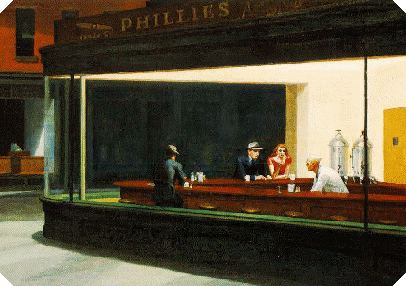
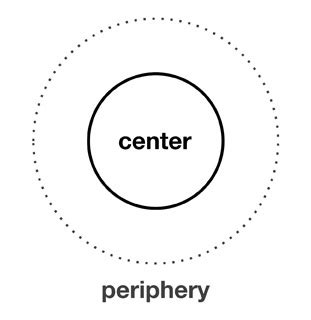














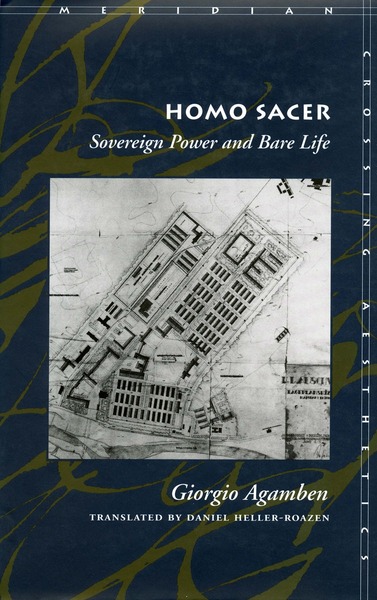



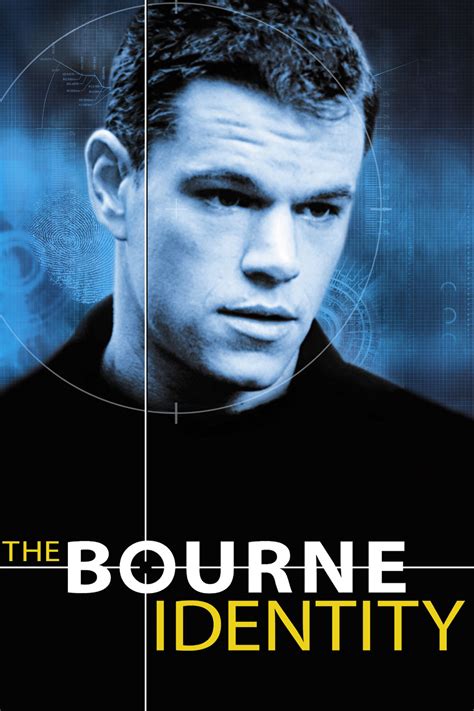


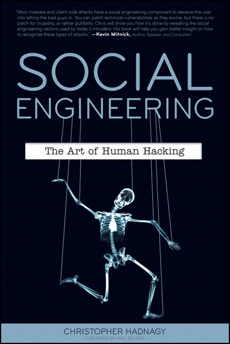
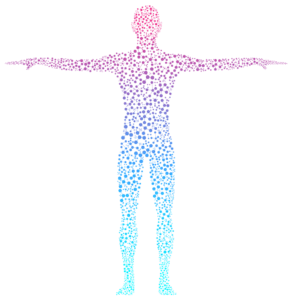
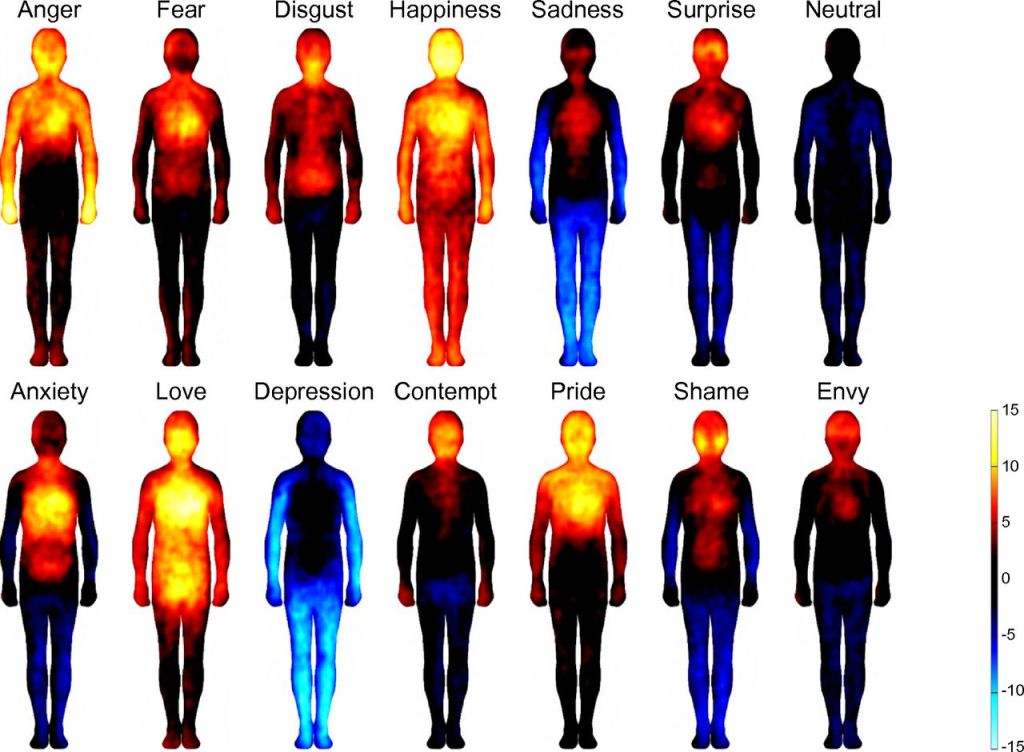

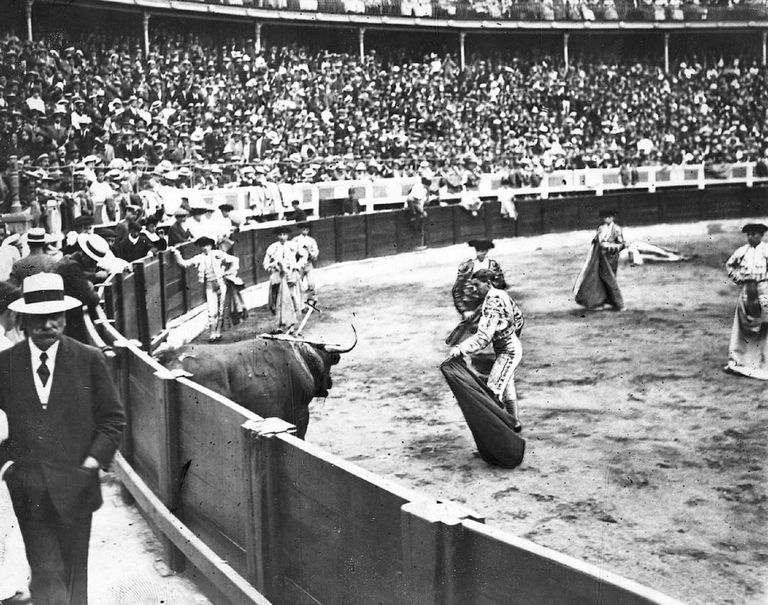
 In identical sedentary circumstances, the mechanics of human groups and their structural need for socio-rational individuality is physiologically accommodated through the individual’s sensory-metabolic stimulus and invigoration. Following the writings of Clifford Geertz in Deep Play: Notes on the Balinese Cockfight (1973), the image here can be understood as reflecting the same basic juxtaposition of the spectacle as corporal violence of the birds and their fight to the death, and a clan-based social order that reaffirms itself in this process of societal cognizance. That is, the fury of the birds is, momentarily, our very reconstitution as social order despite all its imperfections, for without it all is lost: or this is the paraphrased summary of what Geertz explains as a form of deep (‘morally profound’) activity-entertainment (as opposed to other forms of non-profound amusement as simple gambling activities and casino-like games also present culturally). But the difference between these two distinct ways of betting, as the author explains, lies in the fact that in cockfighting, each bird is patronized by a different social clan making the violence itself a form of vicariously-experienced, political conflict, which, of course, does not ultimately transcend the activity itself.
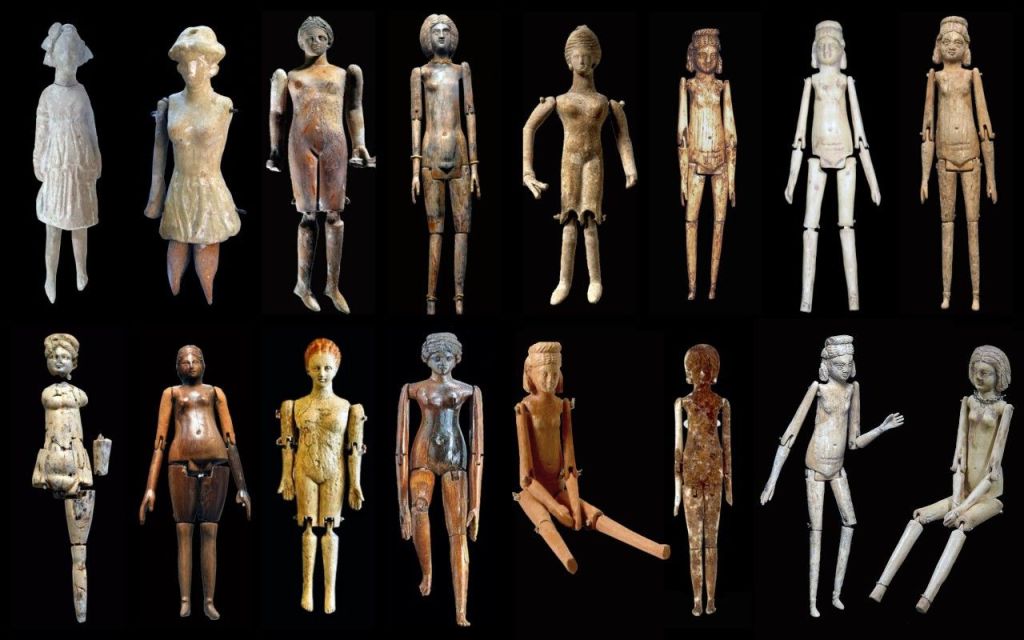
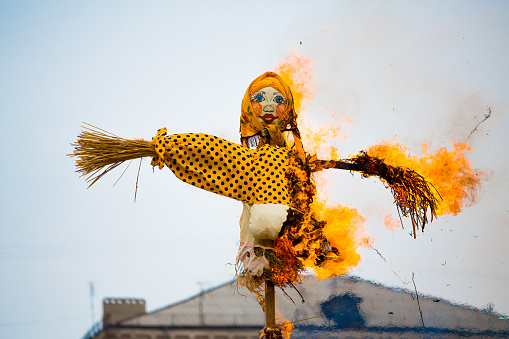

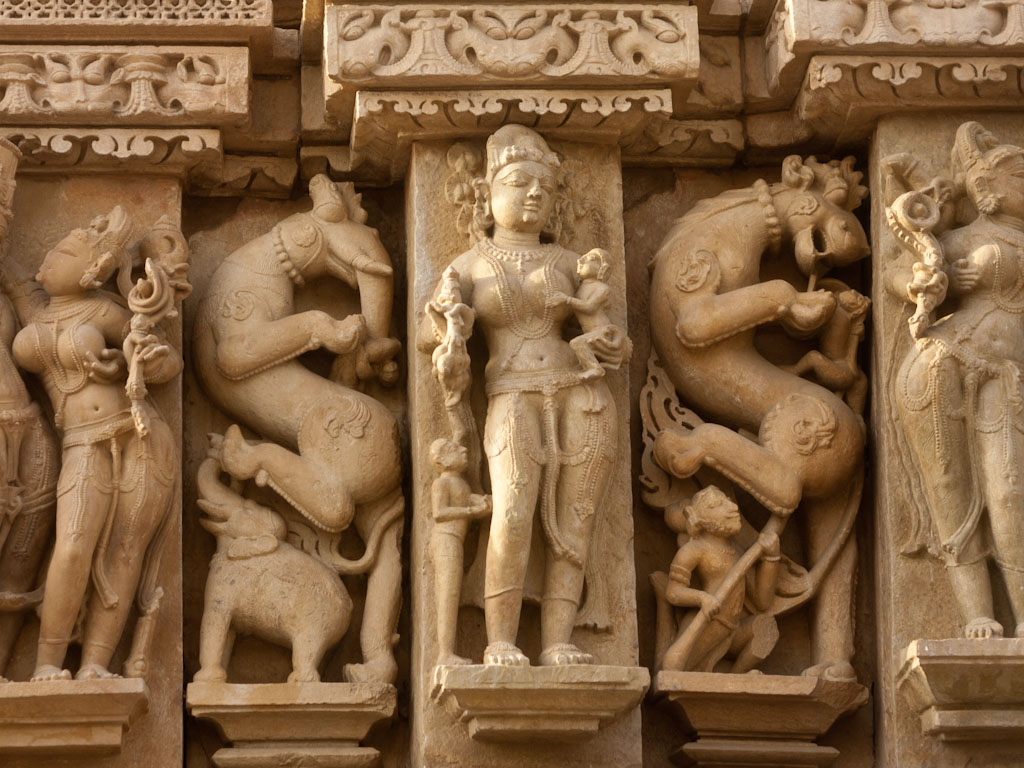


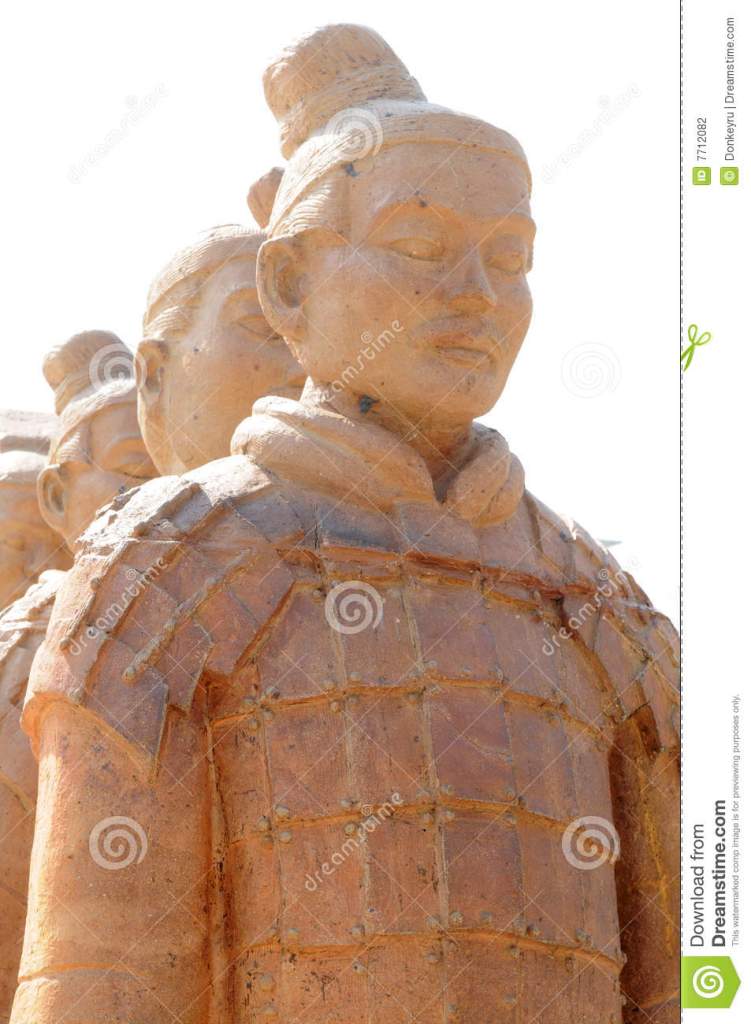


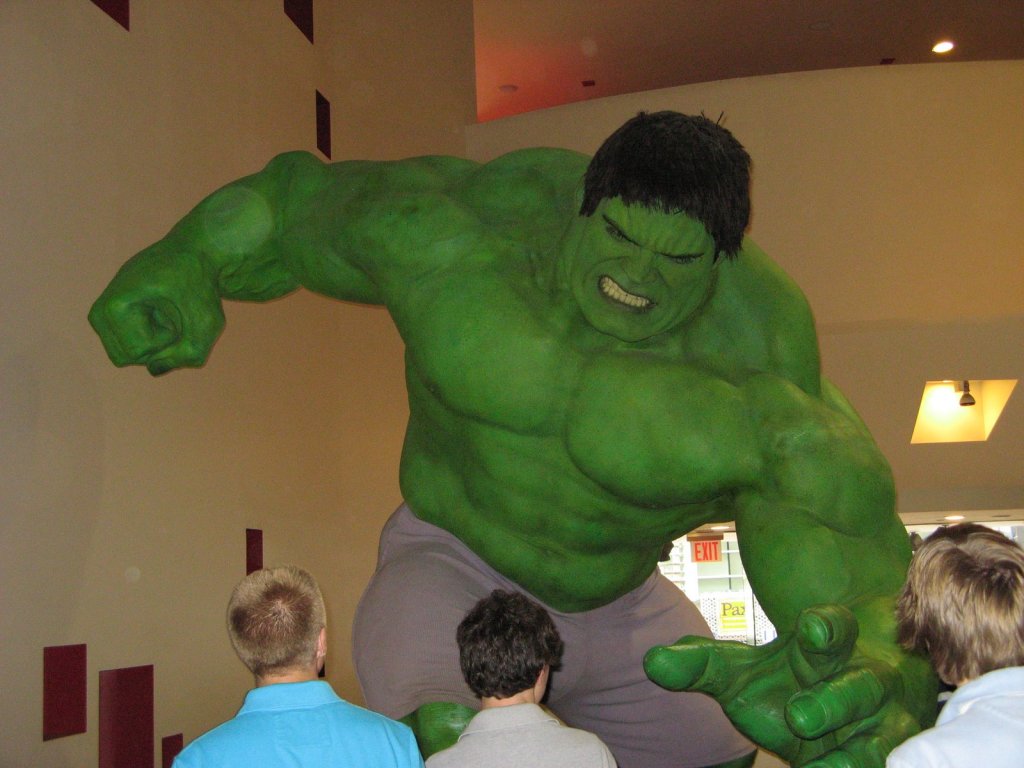


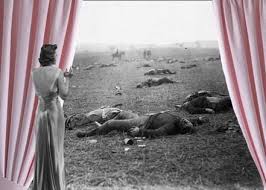
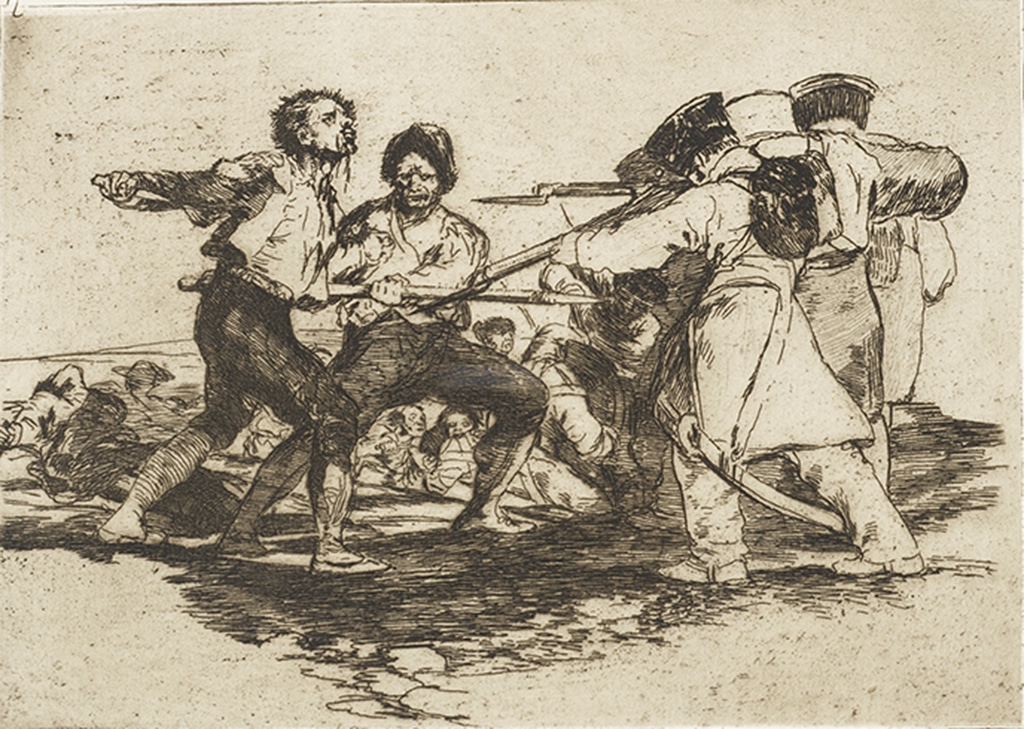
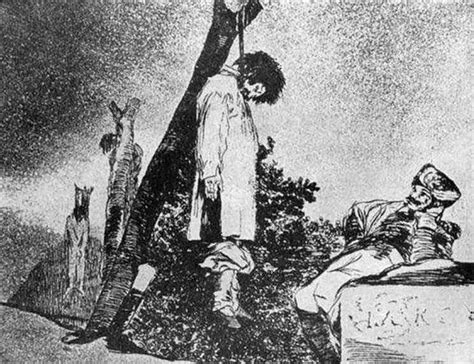
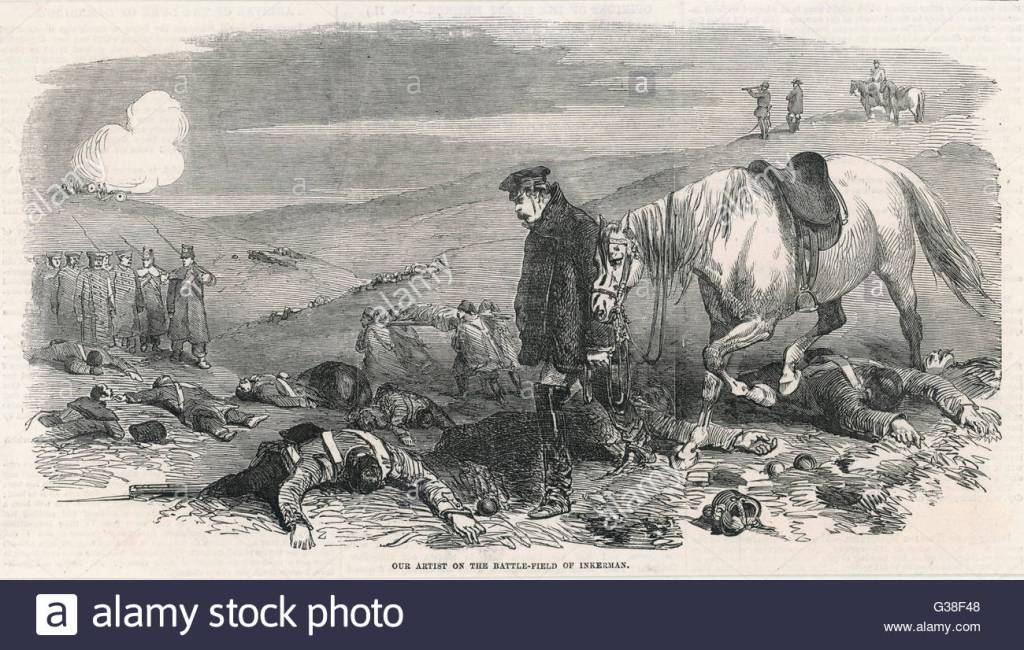
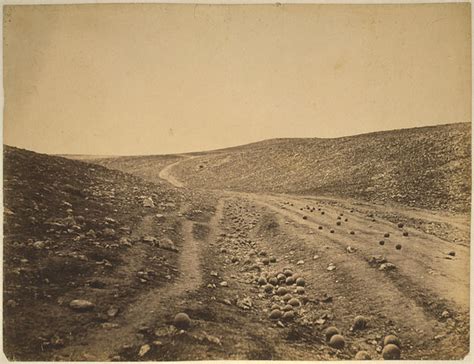
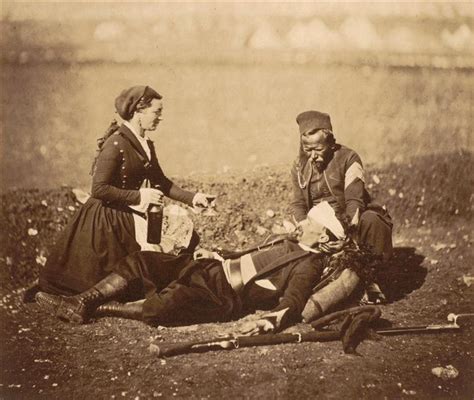
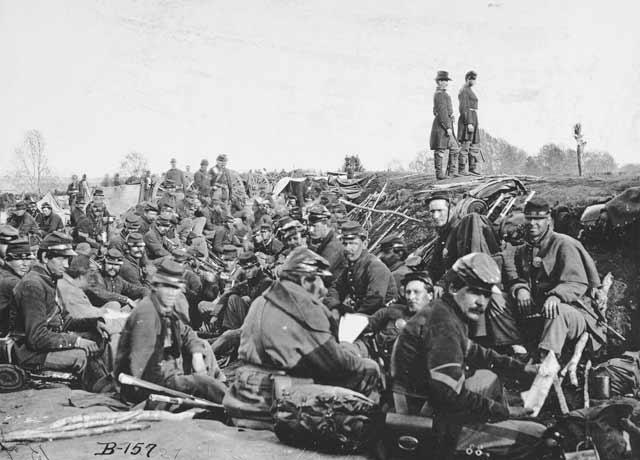
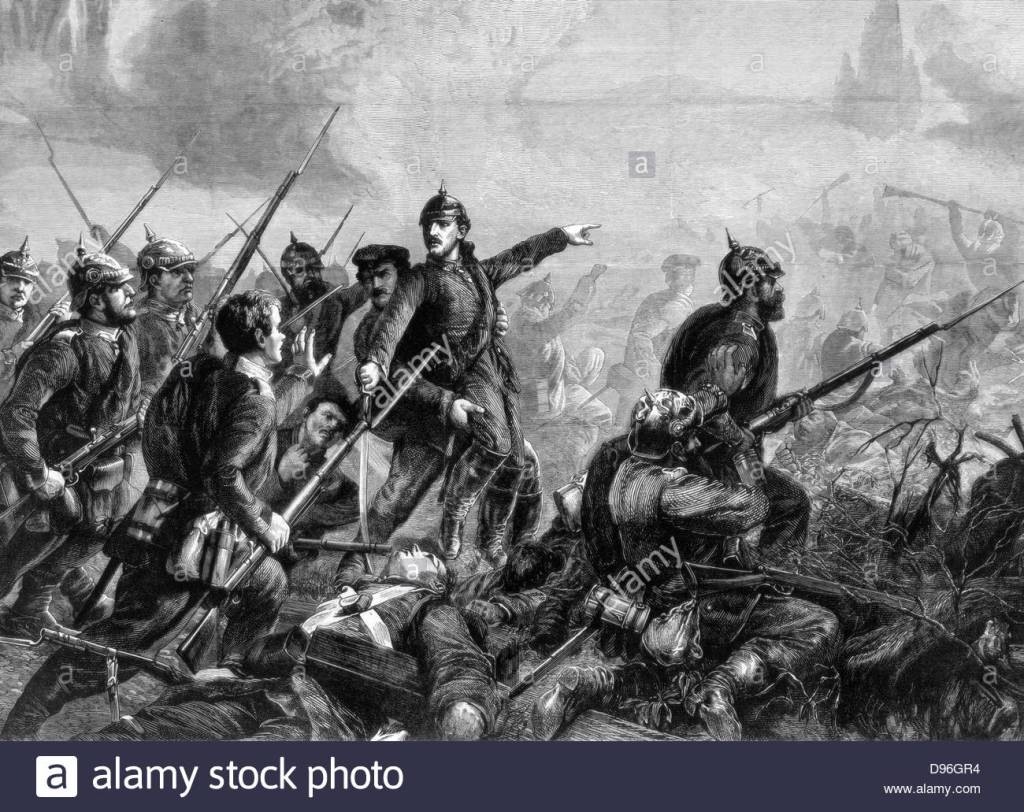
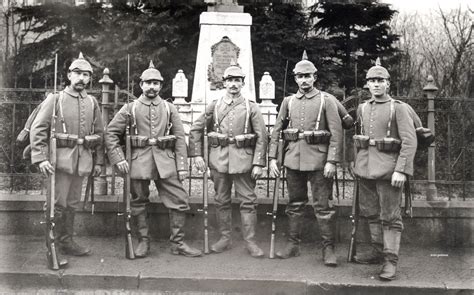
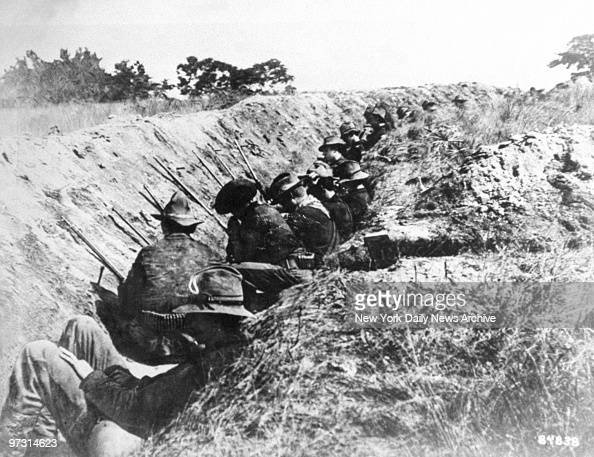
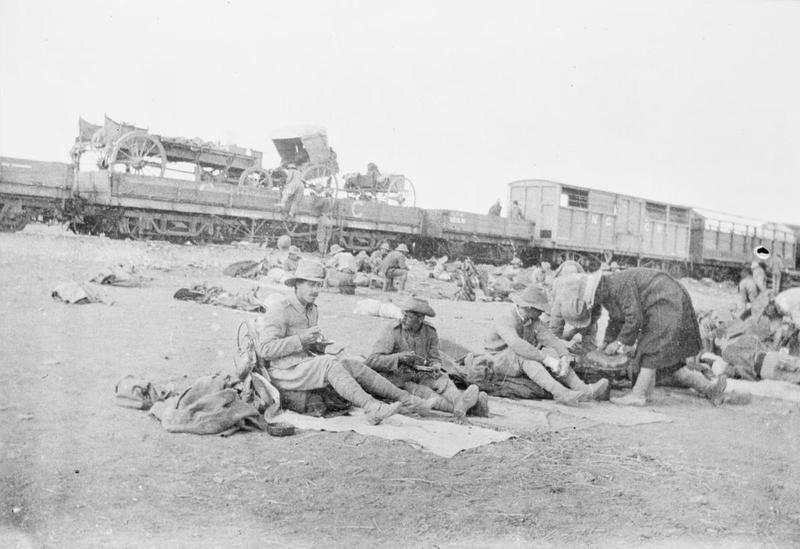
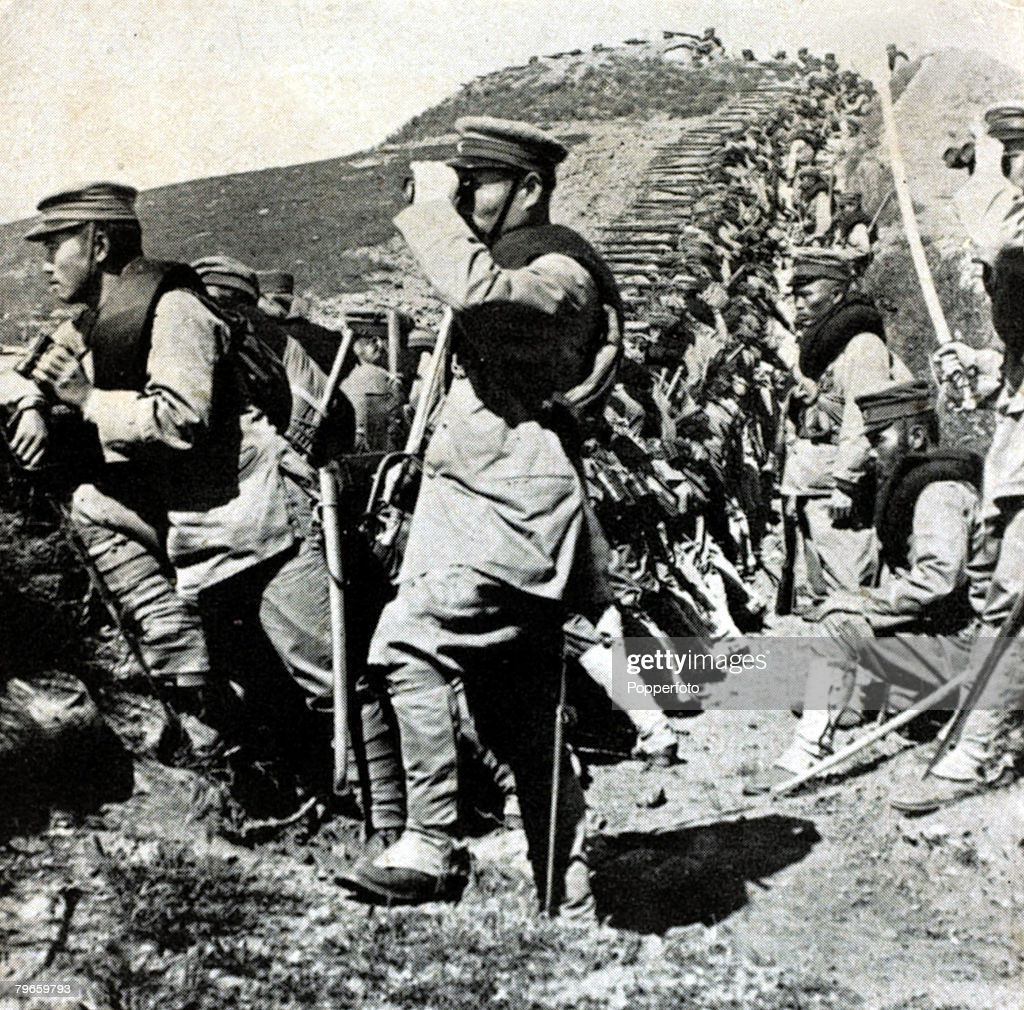
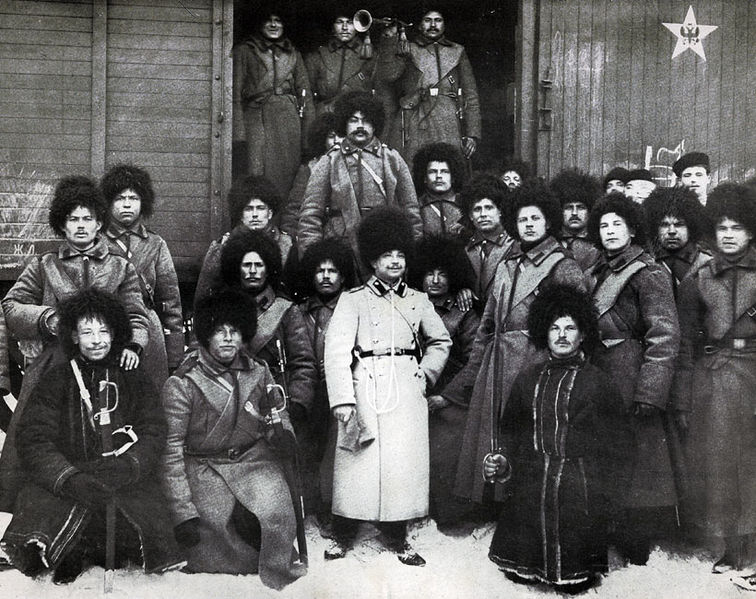
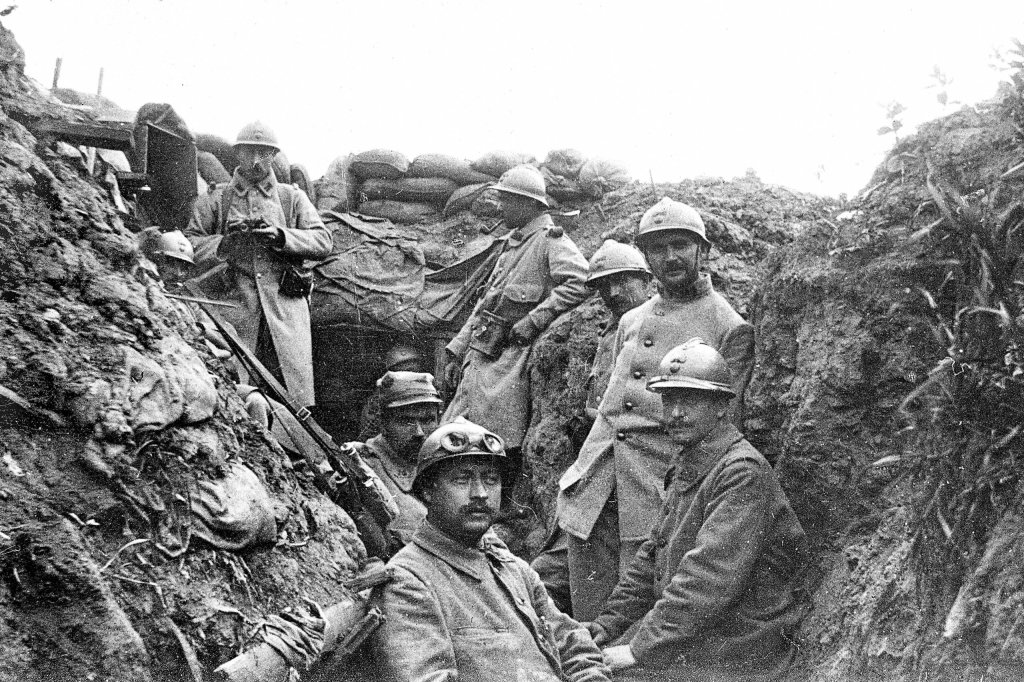
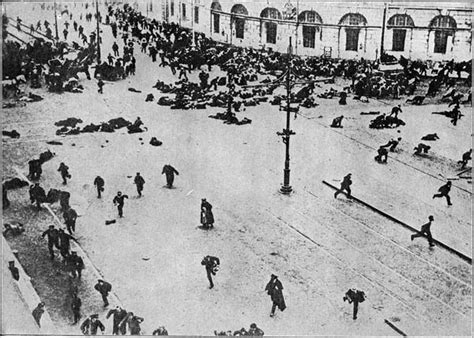
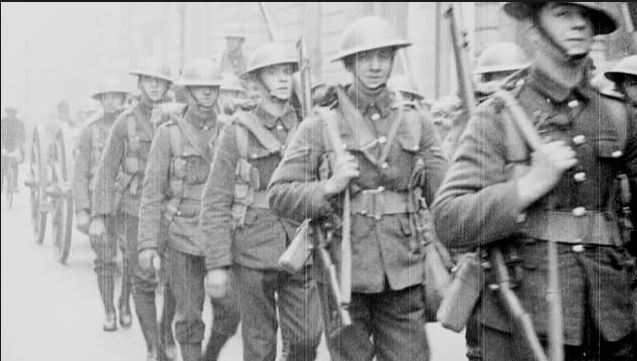
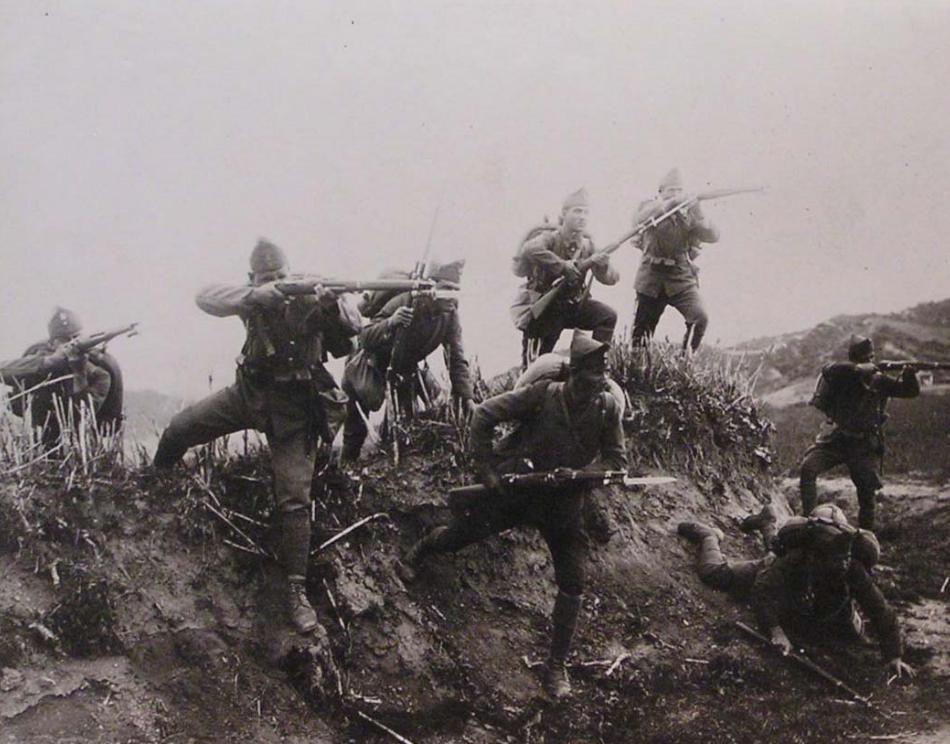
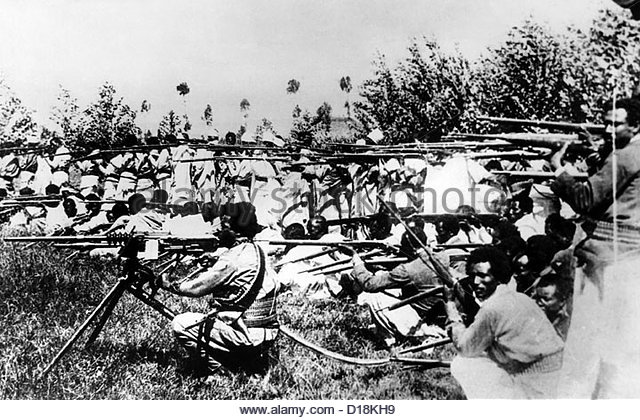
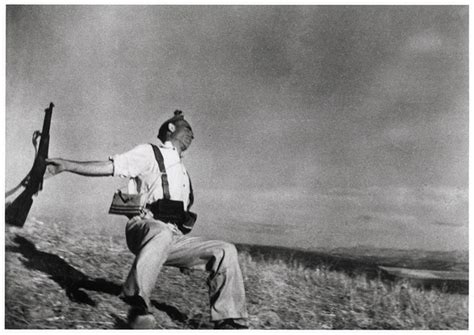
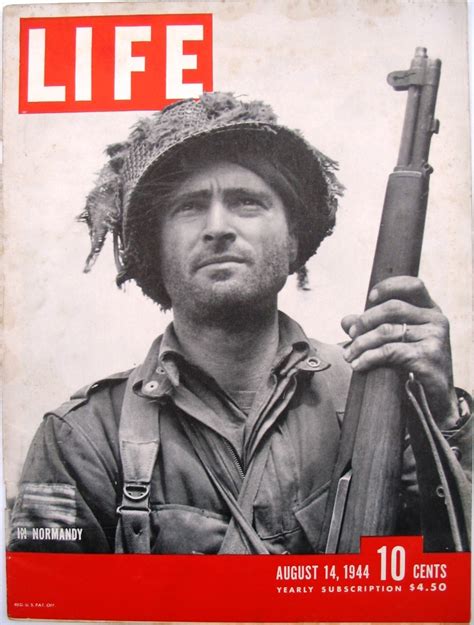


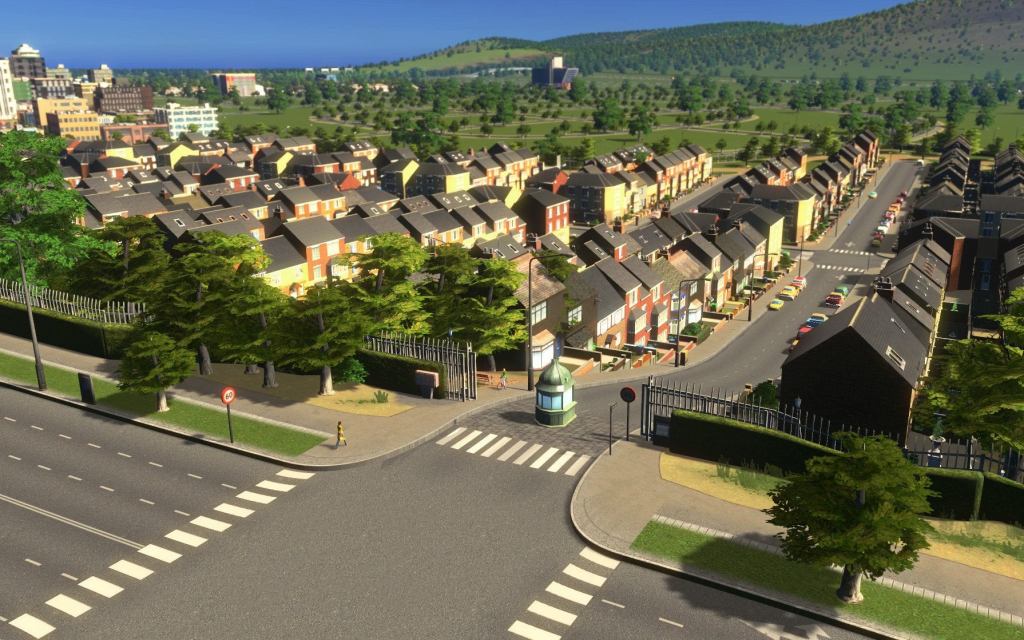

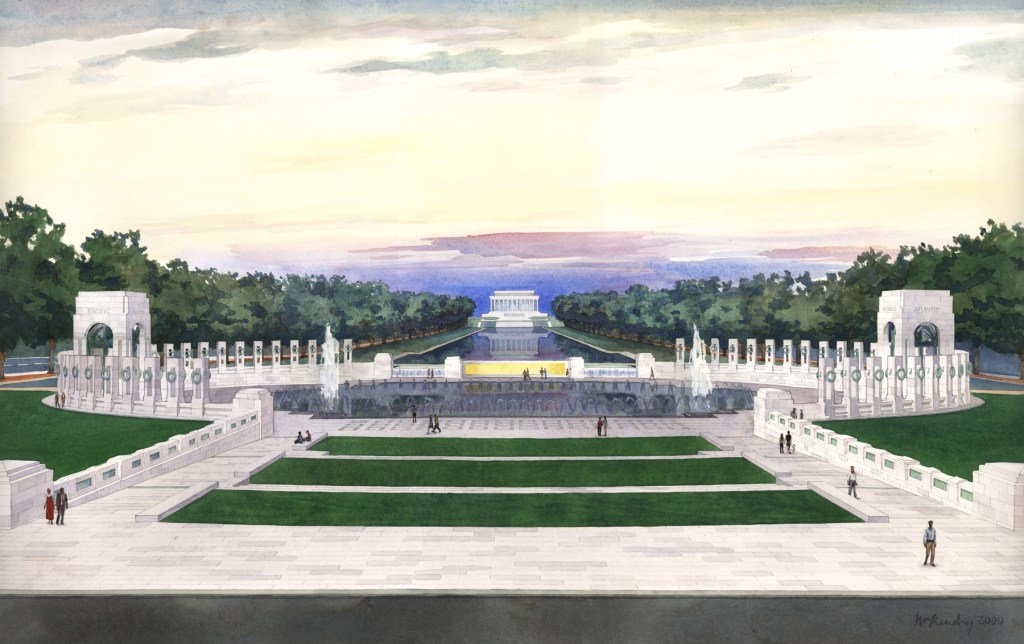



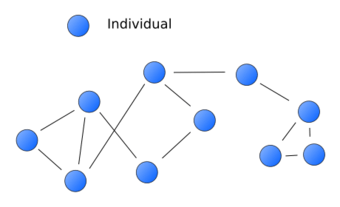
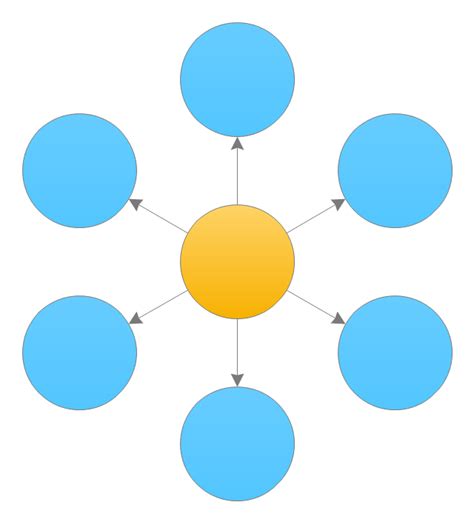






 Physiological Man